
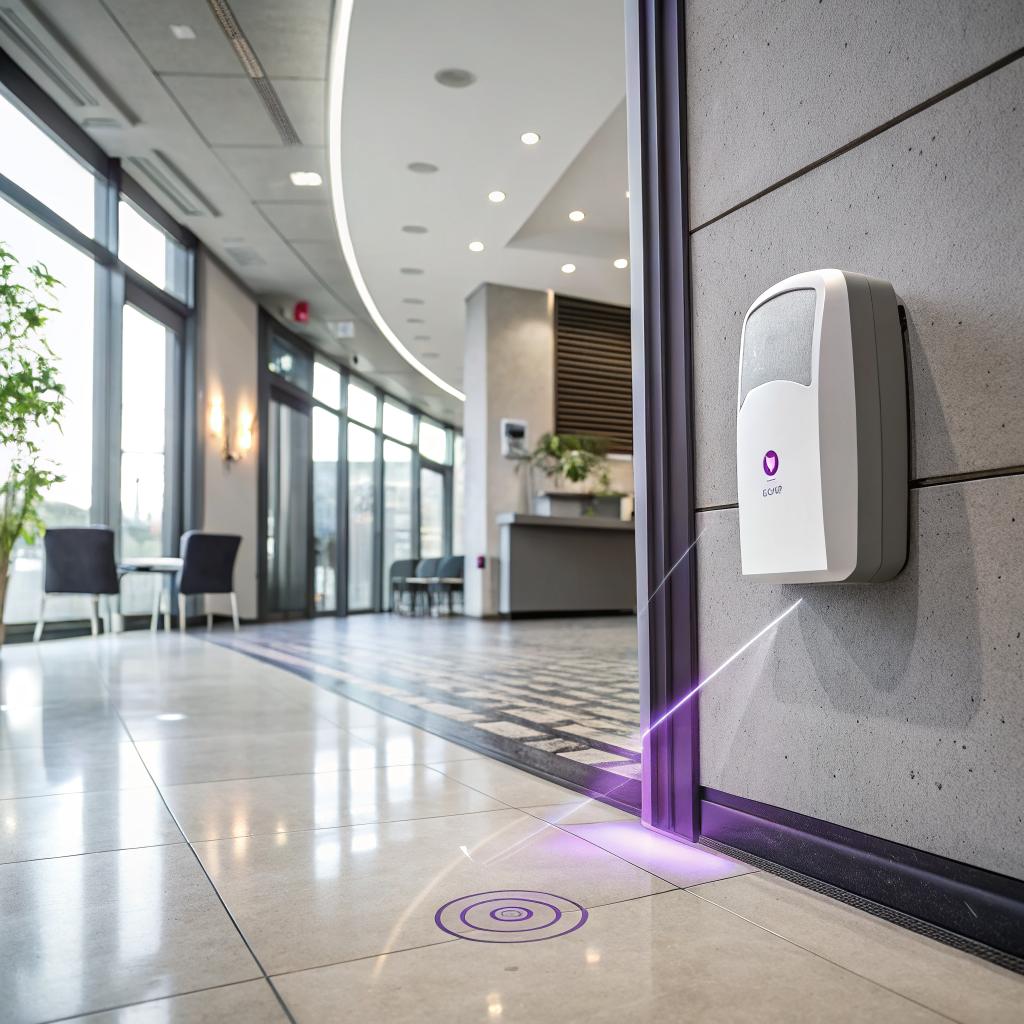
What if I told you that one of the simplest ways to protect your business ROI in Southlake is not a new CRM, not a new ad campaign, but a better plan for rats and mice?
The short answer is this: smart rodent control protects ROI by cutting hidden losses from contamination, shutdowns, fines, property damage, and brand damage before they start. If you run a warehouse, data center, food business, clinic, or office in Southlake, working with a strategic provider like rodent control Southlake can turn a messy, reactive cost into a predictable part of your risk management, just like cyber security or insurance.
That is the clean version.
In reality, rodents are messy, the costs are messy, and the way they hit your bottom line is usually indirect. You often do not see the real number on a single invoice. It shows up across maintenance, wasted stock, extra cleaning, customer churn, staff distraction, and sometimes in a sudden emergency that eats a quarter’s profit.
So if you care about growth, funding, and how your business scales, it is worth treating rodent control less like janitorial work and more like a small but serious part of your operating model.
Seeing rodent control as risk management, not cleaning
Most businesses treat pests like a weekend chore.
You see droppings, someone runs to buy traps, facilities logs a ticket, and the problem fades until it does not. This is reactive. It feels cheap at first. It rarely is.
Smart rodent control is closer to how you think about cyber security or compliance. You do not wait until a major breach or lawsuit before you write your first policy. At least, I hope you do not.
The ROI of smart rodent control comes from avoiding one or two big incidents that would easily cost more than years of systematic prevention.
This shift in mindset matters for three reasons:
- You budget for prevention instead of scrambling to pay for urgent fixes.
- You treat rodents as a business risk that can be measured and tracked.
- You build habits and infrastructure that scale as your sites and headcount grow.
If you are talking to investors, lenders, or large partners, this is also the kind of unglamorous detail that signals you know how to protect margins, not just grow revenue.
Where rodents quietly erode ROI
Rodents look like a facilities issue, but the spread of impact is wider. This is where most management teams underestimate them.
1. Direct financial damage that does not look like “pest” cost
Rodents chew and contaminate. That sounds simple, but the accounting trail is not.
Think about:
- Food and stock you throw away because of droppings or damaged packaging.
- Electrical wiring they chew that causes outages or fires.
- Insulation, walls, and ceiling voids that need repairs.
- HVAC damage that shortens system lifespan.
These hit “maintenance,” “repairs,” “COGS,” or “operating expenses,” not “pest management.” So when you look at your pest control bill, you compare it to zero, not to the real cost of even one serious incident.
If you do not link those hidden costs back to rodent activity, you will underinvest in prevention and keep paying for the same problem wearing different labels.
2. Revenue disruption and downtime
This is where the numbers get ugly very fast.
One afternoon of forced closure for a restaurant, store, or clinic means:
- Lost sales or canceled appointments.
- Wasted labor for the staff already scheduled.
- Extra cleaning and emergency service call charges.
For a fulfillment center or logistics hub, an outage triggered by rodents chewing network cables or power lines can delay orders and trigger penalties in contracts.
If you are chasing growth metrics, those lost hours do not just hurt this week. They can hurt your retention rate and your pipeline, because late or missed orders are remembered.
3. Compliance, audits, and fines
In Southlake and the wider DFW area, food safety rules are not soft. Health inspections, OSHA, and in some cases FDA rules all intersect with rodent issues.
If you handle food, medical supplies, pharma, or anything sensitive, a sign of infestation can lead to:
- Warnings or citations.
- Fines.
- Forced closure until the issue is fixed and verified.
That is before you factor in the panic cycle that follows inside the business: emergency meetings, rushed work orders, senior leaders pulled away from strategic projects.
You can survive this once. Surviving it while trying to scale or raise capital is harder. Repeated incidents suggest something broken in your operating model, not just bad luck.
4. Brand and trust damage
This is unpleasant but real.
Photos on social media, a bad review, or a story about “rats in the kitchen” or “mice in the ceiling” spreads faster than any marketing you pay for.
Founders love to talk about brand building. Rodent issues are a quiet way to burn brand equity:
- Customers choose a competitor without telling you why.
- Enterprise clients question your standards.
- Local partners hesitate to recommend you.
Once you have paid to win those customers, losing them over something preventable is painful. This is where smart control, done early, has an outsized ROI.
What “smart” rodent control actually means
Smart is an easy word to throw around. In practice, it comes down to three ideas:
- Better information.
- Faster, targeted response.
- Designing your space to be hard for rodents to live in.
That is not as glamorous as AI or blockchain, but it fits the same logic: measure, respond, improve.
Digital monitoring instead of guesswork
Old school rodent control is someone walking the site with traps and bait boxes, checking them on a schedule. If you have multiple sites, you pay for a lot of people walking and looking, most of the time finding nothing.
Smart systems add:
- Sensors on traps that report activity in real time.
- Data on where and when rodents are active.
- Dashboards that facilities and operations teams can read.
So instead of a technician visiting every trap every two weeks, you focus attention on hotspots. This sounds like a small tweak, but it changes pricing and outcomes.
You get:
- Faster response where rodents actually are.
- Less labor spent checking empty devices.
- Records you can show during audits or to a landlord.
For a business focused on growth, this also means you can compare sites. Which location is a constant problem? Which layout or process creates more risk? Data makes that less subjective.
Integrated with your existing operations
If your rodent control is a separate world from facilities, IT, and management, you are going to miss something.
Smarter setups often:
- Connect to your work order system so alerts create tickets automatically.
- Feed simple reports to management each month that relate activity to cost.
- Tag incidents by area, such as loading dock, kitchen, server room, storage.
That sounds like extra overhead at first. In practice, once it is set up, it reduces the “who owns this?” confusion that delays action.
And it scales. If you open 3 new locations in Southlake, or across DFW, you extend the same process, rather than starting from zero each time.
Focus on prevention, not just killing rodents
Killing rats and mice is the reactive part. Removing the reasons they like your building is the strategic part.
This usually includes:
- Finding and sealing entry points, especially around pipes and cables.
- Adjusting how waste and food are stored and moved.
- Managing vegetation, pallets, and exterior clutter.
- Improving cleaning routines in high risk areas.
The highest ROI work is almost always the boring, preventive changes to the building and routines, not the traps themselves.
This is where a good provider earns their fees. Not by placing more bait boxes, but by spotting small layout or process issues that will keep attracting rodents over and over.
How to connect rodent control to ROI in real numbers
If you want leadership, investors, or your own finance brain to care, you need numbers, not just “it is cleaner.”
One way is to build a simple before / after model.
Estimate the cost of one serious rodent incident
Here is a simple table you can adapt. Plug in your own numbers.
| Cost item | Example calculation | Example cost |
|---|---|---|
| Product loss | $10,000 stock, 20% written off due to contamination | $2,000 |
| Emergency cleaning & service | Specialist team + urgent pest visit | $1,200 |
| Downtime | 4 hours closed, $5,000 revenue per day | $2,500 |
| Staff disruption | 10 staff x 2 hours at $25/hour | $500 |
| Repairs | Wiring, small wall repairs | $1,500 |
| Customer loss | 5 customers lost, lifetime value $500 | $2,500 |
| Total for one incident | $10,200 |
You can argue with any line here. Maybe your numbers are smaller, or much larger. That is fine. The point is that even a modest incident can comfortably reach five figures.
Now compare that to the yearly cost of a proactive, smart control program. For many single-site businesses, that yearly cost is lower than one serious event.
If you run multiple locations, the math is even clearer. One problem site can produce several incidents per year.
Track incident frequency over time
If you already have a pest contract and you are still seeing issues, you can track:
- Number of valid sightings or captured rodents per month.
- Number of product write-offs linked to rodent issues.
- Any health inspection comments or warnings referencing rodents.
Over 6 to 12 months, you want to see these trending down. That reduction in incidents is where your ROI lives, not just in “we paid for fewer visits.”
This does not have to be sophisticated. A simple spreadsheet works. The main thing is to connect real costs and events to your rodent strategy, not think of them as random bad luck.
Why Southlake businesses have a specific rodent problem
Location matters more than many people expect.
Southlake and nearby areas mix:
- Older buildings with lots of small entry points.
- New commercial developments with construction activity that disturbs habitats.
- Plenty of food businesses, warehouses, and offices close together.
This mix creates frequent opportunities for rodents to move and settle.
Weather plays a role. Warm months extend breeding seasons. Colder snaps push rodents indoors. Heavy rain moves them from ground burrows to buildings. None of this is new, but if your growth plan assumes smooth operations, these local patterns matter.
If you operate several sites in or around Southlake, a centralized view of rodent activity can even guide where you place more storage, where you schedule night shifts, and which buildings you may want to upgrade first.
Smart rodent control for different business models
Not every business faces the same risk. But if you think rodent control is only for restaurants, you might be missing a weak point.
Food and beverage operations
This is the obvious one, yet many food operators still treat rodent control as a checkbox.
For them, ROI protection is about:
- Passing inspections with minimal drama.
- Avoiding social media damage.
- Keeping staff focused on service, not crisis cleaning.
Investors and landlords pay attention here. A pattern of citations or closures can affect lease terms and growth plans.
Warehouses and logistics
Rodents in a warehouse eat margins in quiet ways:
- Damage to packaging that forces repacking or discounts.
- Contamination that blocks you from shipping certain goods.
- Chewed cables affecting conveyors or scanning equipment.
If your business model relies on tight delivery windows or service-level agreements, a rodent-triggered delay can cost you future contracts.
Smart control here usually focuses on:
- Perimeter defense and loading dock design.
- Monitoring in racking and storage zones.
- Data that ties back to quality audits.
Offices, tech, and data-focused businesses
At first glance, a software company or a B2B service office may think rodents are someone else’s problem. You are not storing food. You are not a warehouse.
Still, you have:
- Cabling under floors and in ceilings.
- Server rooms and network equipment.
- Staff whose safety and comfort matter for retention.
There are real stories of rodents shutting down offices by chewing critical cables or triggering fire alarms. It is not common, but when it happens, it is expensive.
If your value prop to clients includes reliability or uptime, a rodent-caused outage ties directly to that promise.
Healthcare and clinics
Here the risk is regulatory and reputational.
Rodent sightings can lead to:
- Patient complaints.
- Regulatory attention.
- Trust issues that are hard to repair.
For clinics, smart control is often integrated with infection control policies and cleaning protocols, not treated as a separate topic. That integration is where ROI protection lives, because you prevent both health risk and reputational hits in one system.
Working with a provider in a way that protects ROI
The provider you pick is one part of the puzzle. How you work with them is the other.
Ask for strategy, not only service frequency
When you get proposals, notice if they only talk about visit counts and trap numbers.
Better questions include:
- How will you measure rodent activity and show us trends?
- How will your system scale if we add more locations?
- How do you decide where to focus attention in a large site?
- What preventive changes do you usually recommend in our type of building?
If a provider cannot explain how their work connects to fewer incidents, less downtime, and lower long term cost, they are selling visits, not outcomes.
This is similar to how you evaluate tech vendors. You care less about hours billed and more about how they change your metrics over time.
Make it part of your risk and operations reporting
If rodent control sits only in a maintenance inbox, senior leaders will never see the real pattern.
Consider:
- Including rodent activity metrics in quarterly operations reviews.
- Tracking incident cost or proxy measures, like stock write-offs.
- Linking this data to broader topics such as safety and quality.
This is not about making everything more complex. It is about making sure problems that quietly hurt ROI do not stay invisible.
Design new spaces with rodent control in mind
If you are opening or refurbishing sites, you have a big chance to reduce long term risk.
Some low drama questions to ask during design:
- Where are the possible entry points at ground and roof level?
- How will waste move from inside to outside?
- Is there a plan for landscaping near the building that reduces rodent harborage?
- Where can we place monitoring devices so they are accessible and effective?
These questions cost little during design. Fixing them later during operations costs more. This is one area where a quick consult with a local rodent control expert can pay for itself.
Connecting this to funding and growth conversations
If your focus is growth, fundraising, or scaling, you might feel like rodents are too tactical a topic. I do not fully agree.
Serious investors often look for boring strengths:
- Predictable operations.
- Control of downside risks.
- Ability to keep margins while you grow.
Rigorous attention to “small” vulnerabilities like rodents is a signal that you think clearly about risk, not just upside.
You do not need to lead your pitch with pest control, to be clear. But having good answers when people ask how you handle food safety, building risks, or operational resilience can help your story.
It also affects your ability to scale to enterprise customers. Larger clients often have supplier audits and questionnaires related to health, safety, and quality. Having documented rodent control systems, data, and policies makes those conversations easier.
Common mistakes businesses make with rodent control
Some of these I have seen in more than one company. You might recognize a few.
Waiting for visible rodents before acting
By the time staff are seeing rodents in the daytime, you often have an established population.
Early signs include:
- Droppings in hidden areas.
- Gnaw marks on cables or packaging.
- Grease marks along walls or pipes.
Training staff to report early and making it easy for them to do so costs almost nothing. It saves money later.
Over relying on DIY fixes
Traps from a hardware store can help, but they do not give you:
- Systematic coverage.
- Data or records for audits.
- Preventive building changes.
For a home, that might be fine. For a business that cares about uptime and brand, it is usually not enough.
Cutting rodent control first when budgets tighten
This is tempting. The line item looks like an easy saving, especially in a year where you did not see problems.
But the risk is that the next year you get unlucky and the incident you avoided so far finally happens.
Short term, you save a small number. Long term, you open up the chance of a big, spiky loss. From an ROI perspective, that trade is usually poor.
Building a simple internal playbook
You do not need a thick manual. A short internal playbook helps everyone respond consistently and quickly.
Possible elements:
1. Clear ownership
Who is responsible for rodent control:
- At each site.
- At the management level.
Write names, not job titles only. People move, but at least start with something concrete.
2. Reporting channels
How do staff log sightings or signs?
- Dedicated email or ticket type.
- Simple form or QR code near staff areas.
The key is low friction. If reporting is annoying, issues stay hidden.
3. Escalation rules
When does a normal report become an incident?
For example:
- One sighting in a low risk area triggers standard response.
- Multiple sightings, or any in sensitive zones like kitchens or server rooms, trigger management review and provider call.
This prevents overreaction to tiny things and underreaction to serious ones.
4. Regular review
Once a quarter, or twice a year, look at:
- Number of reports and incidents.
- Patterns over time.
- Any major cost events linked to rodents.
Then adjust your control plan, building changes, and cleaning schedules based on real experience.
Is smart rodent control worth it for every business size?
You might still be on the fence, especially if you run a smaller operation or a lean startup.
A simple way to think about it is this:
If a single serious rodent incident would hurt your quarter’s numbers or damage trust with your most important customers, then smart control is not optional. It is part of protecting your ROI.
For a tiny office with no sensitive equipment and almost no foot traffic, maybe the risk is small. For most other setups in Southlake, from food to logistics to clinics to tech offices, the combination of compliance, brand, and downtime risk justifies it.
You do not need the most complex tech system money can buy. You need a plan, a provider that treats this as risk management, and the discipline to stay ahead of the problem.
Questions and answers
Q: We have never had a rodent issue. Why should we spend more than a basic contract?
A: That is similar to saying “we have never had a data breach, so we do not need security.” Past luck is not a plan. The question is what a single serious event would cost you. If that number is high, spending a predictable amount to reduce the chance of that event is rational, even if nothing bad has happened yet.
Q: Can smart monitoring replace regular technician visits?
A: Not fully. Sensors and connected traps reduce the need for blind routine checks, but you still need trained eyes on site. They look for entry points, hygiene gaps, and structural issues that devices cannot judge. The best approach mixes both: technology for speed and data, people for judgment and prevention.
Q: How quickly should we expect to see ROI from a smarter rodent control setup?
A: In many cases, you see fewer sightings and less stock loss within a few months. Financial ROI is clearer over 6 to 12 months, when you can compare incident frequency, downtime, and related costs before and after. The bigger the site or network of sites, the faster the data adds up and the easier it is to see the benefit in your numbers.