
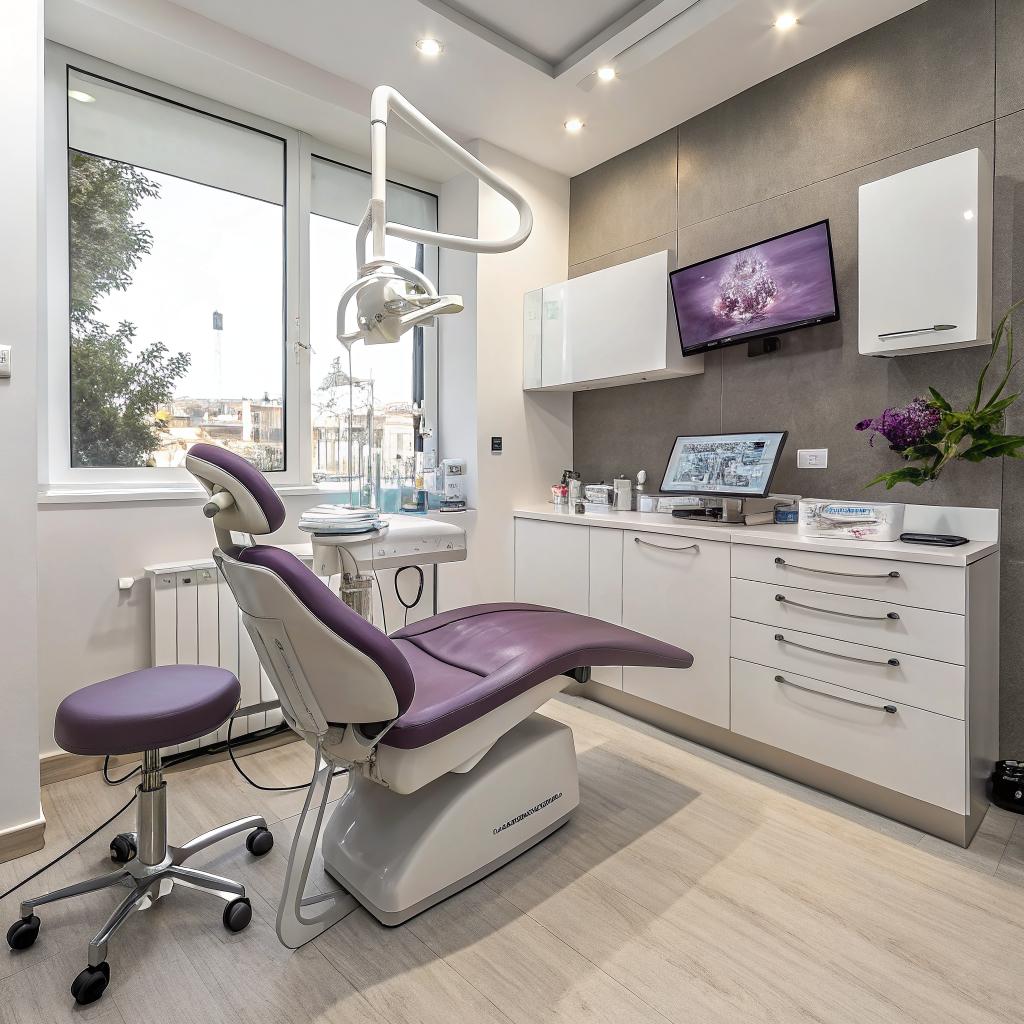
What if I told you that your next dental visit could feel more like walking into a modern startup than a medical office from the 90s?
The short answer is this: tech is changing almost every part of your visit to a dentist Meridian ID, from how your appointment is booked, to how your teeth are scanned, to how the office tracks revenue and growth. You get faster visits, clearer information, and less waiting. The practice gets better data, more predictable cash flow, and a clearer view of what to invest in next.
That is the simple version. The longer version is where it gets more interesting, especially if you care about the business side of tech and how small healthcare practices try to grow without breaking.
How dental tech reshapes the patient experience and the business behind it
When people talk about tech in healthcare, they usually think of hospitals or large health systems. But a local dental office in Meridian is under the same pressures as any small business: rising costs, staff shortages, consumer expectations, and online reviews that can hurt or help revenue in a single afternoon.
Dental tech is not just about fancy tools. It is really about three things:
- Collecting better data without slowing the visit
- Using that data to make decisions in real time
- Reducing friction between patient, staff, and insurance
Tech in a dental office only works if it makes the visit feel easier for the patient and simpler for the team at the same time.
If a gadget looks impressive but adds clicks, logins, or confusion, it becomes a cost sink. The practices that seem to grow faster are usually the ones that pick fewer tools, but learn them deeply and connect them to actual business outcomes: more completed treatments, fewer no-shows, cleaner billing.
Let me break this into real parts of a visit and what is changing.
Scheduling and intake: from phone tag to a quiet, predictable calendar
Most people do not want to call a dental office. They are at work, or with kids, or they simply do not like phone conversations. Practices see that on their numbers. Missed calls mean missed revenue.
So a lot of offices in Meridian now rely on online scheduling, automated reminders, and digital forms. On the surface, that sounds boring. But for a business owner, that stack is a serious growth lever.
Typical flow:
- You search for a nearby practice and book online through a web form or an app.
- You get a text and email confirmation, plus a link to fill out medical history and insurance details before you arrive.
- 24 hours before the visit, you receive a reminder with options to confirm or reschedule.
For you, this just means less waiting and fewer clipboards.
For the practice, this means:
| Area | Without tech | With online tools |
|---|---|---|
| New patient calls | Staff picks up, asks questions, types info into system | Booking form captures data directly into software |
| No-show rate | Higher, often 10–20% | Lower, sometimes under 5% with consistent reminders |
| Front desk workload | Heavy phone volume, manual reminders | More time for in-person help and billing work |
| Marketing tracking | Loose sense of where patients came from | Source tracking tied to online booking pages |
For a small practice trying to grow, the difference between a 15 percent no-show rate and a 4 percent no-show rate is not just a minor gain. It can be the difference between needing to hire another hygienist or not.
Every missed appointment is lost revenue and lost future treatments. Automating reminders is less about convenience and more about stabilizing the schedule.
There is a risk, of course. If the online booking tool is clunky or the forms are long, patients give up. So there is this slightly awkward tension: collect enough data for insurance and medical safety, but not so much that people abandon the process.
Some offices get that balance right. Others overcollect, then wonder why their online bookings stall.
Digital imaging: how pictures drive decisions and production
The classic dental visit used to involve small x-ray films, chemical processors, and the phrase “come back next time and we will see.” That workflow is hard to scale. It is slow, and it creates bottlenecks.
Digital x-rays, intraoral cameras, and 3D scanners change the dynamic.
You sit in the chair, the team takes digital images, and they show you the screen right away. Cavities, fractures, gum health, bone levels, even small cracks that would have been missed before.
From the patient side, this has two main effects:
- You understand what is going on inside your mouth better, because you can see it.
- You feel more involved in the choice to accept or decline treatment.
From the business side, the impact is directly tied to case acceptance and chair time:
| Metric | Traditional imaging | Digital imaging |
|---|---|---|
| Time per x-ray set | 8–10 minutes with processing | 2–3 minutes with instant display |
| Retakes | Slower, sometimes missed issues | Easy retakes, clearer detail |
| Case acceptance | Lower, patient has to “trust” verbal explanation | Often higher, because visuals are convincing |
| Record keeping | Film storage, physical archives | Secure digital storage, easy comparison over time |
When a dentist can show a patient a cracked filling on a large screen, the discussion shifts from “you need a crown” to “can you see this line here and how it connects to your sensitivity?” That might sound obvious, but it can raise acceptance of treatment that is actually needed. Which then boosts revenue without aggressive selling.
Better imaging does not force you into treatment, but it makes it harder to ignore real issues you can plainly see on a screen.
From a growth perspective, this tech also feeds into marketing. Before-and-after photos, 3D scans used for clear aligners, and progress tracking all turn into content for websites and review platforms, if the patient agrees. That content brings in more patients who want similar results.
There is a catch, though. These machines are expensive. The financing terms, maintenance, and training time all matter. A practice that buys every new scanner without a clear plan can end up with high monthly payments and staff who only use 30 percent of the features. That is not smart growth.
Chair-side software: where clinical decisions meet business logic
When you sit in the dental chair, you may notice tablets, laptops, or wall-mounted screens. They are not just there for Netflix.
Clinic management software now connects:
- Your medical history and medications
- Your x-rays and images
- Previous treatments and notes
- Insurance benefits and remaining coverage
- Planned treatments and estimated costs
For you, that means one main thing: the team does not have to shuffle through paper charts or guess what your insurance will cover.
For the practice, these tools tie clinical work to revenue forecasts. A dentist can build a treatment plan and the system can instantly:
- Estimate insurance coverage
- Show patient copay ranges
- Flag coding issues that might cause claim denials
- Schedule multi-step treatments in the right order
It is easy to forget that dentistry is a small business model with recurring services. Hygiene visits need to recur every 6 months. Restorative work depends on what the patient accepts. Cosmetic work is often out-of-pocket.
When the tech helps schedule and track those flows, the practice can:
- See which patients are overdue for cleanings and send targeted reminders
- Identify which procedures drive most revenue
- Spot gaps in the schedule weeks ahead and promote specific services
If that sounds very similar to subscription software metrics or retail inventory management, that is because it is not that far off. The difference is that the “inventory” here is chair time and staff time.
I have seen cases where the same physical office grows 30 to 40 percent in top-line revenue with almost no physical expansion, just better scheduling rules, recall systems, and treatment presentation tools. On the flip side, I have seen offices buy good software and never configure half the features.
So the tech is not a magic fix. It still depends on training and clear ownership: who tracks recare, who runs reports, who calls patients who have pending treatments.
AI-assisted diagnostics: promise and questions
Artificial intelligence is slowly moving into dental diagnostics. You might not hear it mentioned directly, but you can see hints of it when your dentist says “this system highlights areas that may indicate early decay.”
These tools analyze x-rays and mark suspicious spots, bone loss, or other changes. Think of them as a second set of eyes that never gets tired.
From the patient perspective, this can be both reassuring and slightly strange. Some people like the idea of extra verification. Some feel uneasy about software “reading” their health data.
From the business side, AI tools offer:
- More consistent reading of images across providers
- Support for newer dentists who are still building experience
- Data that can standardize treatment recommendations
There are also marketing claims around increased case acceptance. When the software output is shown on a screen with colored highlights, patients might be more willing to proceed.
I am a bit skeptical here. There is genuine value, but there is also a risk of over-reliance or pressure. The dentist still has to filter what the software says through training, ethics, and common sense. The business still has to avoid turning every highlight into a sales pitch.
For a local practice, the main real benefit right now is consistency. As the office grows, brings in associates, or adds locations, AI tools can help keep diagnostic standards stable across the group. That helps with clinical quality and legal risk, which are not flashy topics but matter a lot for long-term growth.
Payment, insurance, and revenue cycles: the unglamorous tech that keeps the doors open
If you ask most dentists what stresses them out, insurance and collections will usually rank high. Claims get denied, patients are surprised by balances, and staff spends hours on hold.
Here is where newer tools make a quiet but big difference.
You start to see:
- Real-time eligibility checks before your appointment
- Clear estimates of out-of-pocket costs shown on a tablet at checkout
- Text-to-pay links and online payment portals
- Automated payment plans with card-on-file agreements
This is not flashy, but for the practice it touches:
| Area | Traditional method | With modern payment tools |
|---|---|---|
| Days in accounts receivable | 60–90 days common | Targeting 20–40 days |
| Patient bad debt | Higher, many mailed statements ignored | Lower, digital reminders and payment plans |
| Staff time on claims | Manual entry, phone calls | Partly automated submissions and tracking |
| Cash flow predictability | Highly variable month to month | More stable, easier planning and hiring |
From your side, you get fewer surprise bills. From their side, they get fewer shocks in revenue.
I do think there is a line where convenience can start to feel pushy, though. Practices that lean too hard into automated texts or rigid financial policies can hurt long-term trust. There is still a human relationship behind every payment record.
Back-office data: how small practices think about growth and scale
Since this article is for people interested in the business side of tech, it is worth looking behind the curtain.
A modern dental office that wants to grow looks at data that is not that different from a SaaS startup, just with different labels.
They track:
- New patients per month and their referral sources
- Active patients (those who have been in within a set period)
- Case acceptance rate by provider
- Production per hour or per chair
- Hygiene reappointment rate
- Collection percentage (how much of billed work is actually collected)
Tech tools pull this into dashboards. Some are inside the practice management system. Some are in third-party analytics platforms that connect through APIs.
For a dentist in Meridian thinking about expansion, these dashboards answer questions like:
- Do we need to add an associate, or can we fill the current schedule first?
- Which marketing channels bring in patients who stay longer?
- Is hygiene overbooked while restorative chairs sit empty?
- Where are we losing revenue in the insurance process?
From an investor or lender perspective, tech adoption can even affect practice valuation. A practice with clean digital records, stable recall systems, and predictable reports looks less risky than a paper-heavy office where the owner “just knows” how busy things are.
That said, there is a risk of drowning in metrics. Some dentists start watching 40 different numbers and lose sight of patient experience. Others stick to a few basics and blend them with regular team conversations.
If you come from a tech or startup background, you might recognize the same tension: measure what matters, but do not turn every human interaction into a spreadsheet cell.
Tele-dentistry and remote touchpoints: where it helps and where it does not
Telehealth exploded a few years ago. Dentistry tried to join in, with mixed success.
There are clear limits. You cannot clean teeth or place a crown through a screen. You cannot take x-rays at home in any safe way.
Still, remote tools are finding a few solid use cases:
- Initial consults for cosmetic work or aligners
- Follow-ups after surgery to check healing
- Quick checks for emergencies to decide if you need to come in right now
From a business view, tele-dentistry can:
- Free up in-office time for higher-value treatments
- Reduce cancellations for simple follow-ups
- Expand reach to patients who live farther away or have mobility issues
The key is not to oversell it. I have seen some practices market tele-dentistry as if it would replace regular checkups. It will not. And when patients expect that, they end up skipping visits and paying more later for problems that got worse.
So, tech helps, but inside its lane.
Patient communication and reputation: where tech meets trust
Modern practices rely heavily on patient communication platforms. These systems handle:
- Text and email reminders
- Recall notices for overdue cleanings
- Review requests after visits
- Basic two-way messaging for questions
This sits at the intersection of marketing and operations.
If it is done well, you get helpful nudges and quick replies. If it is done badly, you feel spammed or ignored.
For the practice, reviews are not just about ego. Online ratings affect:
- New patient acquisition
- Insurance directory rankings in some cases
- How comfortable people feel committing to larger treatment plans
The tech side here is simple. Automate the request for feedback right after each visit, route complaints internally, and publish positive reviews externally when the patient agrees.
The human side is harder. You still need staff who respond kindly, dentists who take feedback seriously, and a culture that sees reviews as a source of learning, not just a score to game.
I have mixed feelings about some review tools that push patients very aggressively or filter out anything less than five stars. That might make the numbers look good in the short term, but it can hide underlying issues. For long-term growth, honest feedback is more helpful than a perfect rating.
What this means for your next visit to a Meridian dentist
Putting all of this together, your actual visit over the next few years will likely look different from how it did a decade ago.
Before you arrive:
- You book online without calling.
- You fill out forms on your phone or laptop.
- Your insurance is checked in advance.
In the office:
- You sign in on a tablet or are checked in quickly at the desk.
- Digital x-rays and photos are taken and shown right away.
- The dentist uses software, and maybe AI, to support the diagnosis.
- You discuss treatment with visuals and cost estimates in front of you.
After the visit:
- You receive a digital receipt and maybe a payment plan offer.
- You get a text asking how your visit went and inviting a review.
- You get reminders when it is time to come back.
Underneath, the office is watching numbers, testing new tools, and trying to balance care quality with growth. They will not always get that balance perfect. Some will chase tech fads. Others will lag far behind.
If you care about both your health and how your local providers run as businesses, you can ask better questions.
Here are a few you might bring up, and realistic answers you might hear.
Q&A: Questions you might ask your dentist about tech and growth
Q: How do you decide which new technologies to bring into the practice?
A: Many offices look at a mix of clinical benefit and payback time. For example, a 3D scanner that lets them do more in-house crowns might be worth it if it reduces lab fees and draws in patients who want same-day work. A gadget that looks nice but does not save time or improve diagnosis usually gets dropped from the list.
Q: Does all this tech make my treatment more expensive?
A: Sometimes yes, sometimes no. Digital tools cost money, but they can also reduce waste, cut down on remakes, and shorten visits. That can lower overhead per procedure. What you should care about is transparency: are you getting clear fees up front, and do the results match what was promised.
Q: How do you protect my data when everything is digital?
A: Practices should have encrypted records, secure backups, and strict access controls. If they cannot explain this in simple terms, that is a red flag. Breaches are not just a hospital problem. Small clinics are targets too.
Q: Are AI tools actually helping you diagnose, or are they mostly for show?
A: Honest dentists will say AI is a support, not a replacement. It can spot patterns and remind them to look again at certain areas. But the final call should still rest with a human who knows your history and can see your mouth directly.
Q: From a business angle, what is the single tech upgrade that made the biggest difference for your office?
A: You will get different answers. Some will say online scheduling cut no-shows and freed staff time. Others will say digital imaging changed how patients understand treatment. A few might mention analytics dashboards that finally gave them control over their numbers. If an office cannot name anything, it might not be using its tools very well.
If you were running a dental practice yourself in Meridian, which piece of tech would you actually invest in first: the one that impresses patients the most, or the one that cleans up your back-office chaos and cash flow?