
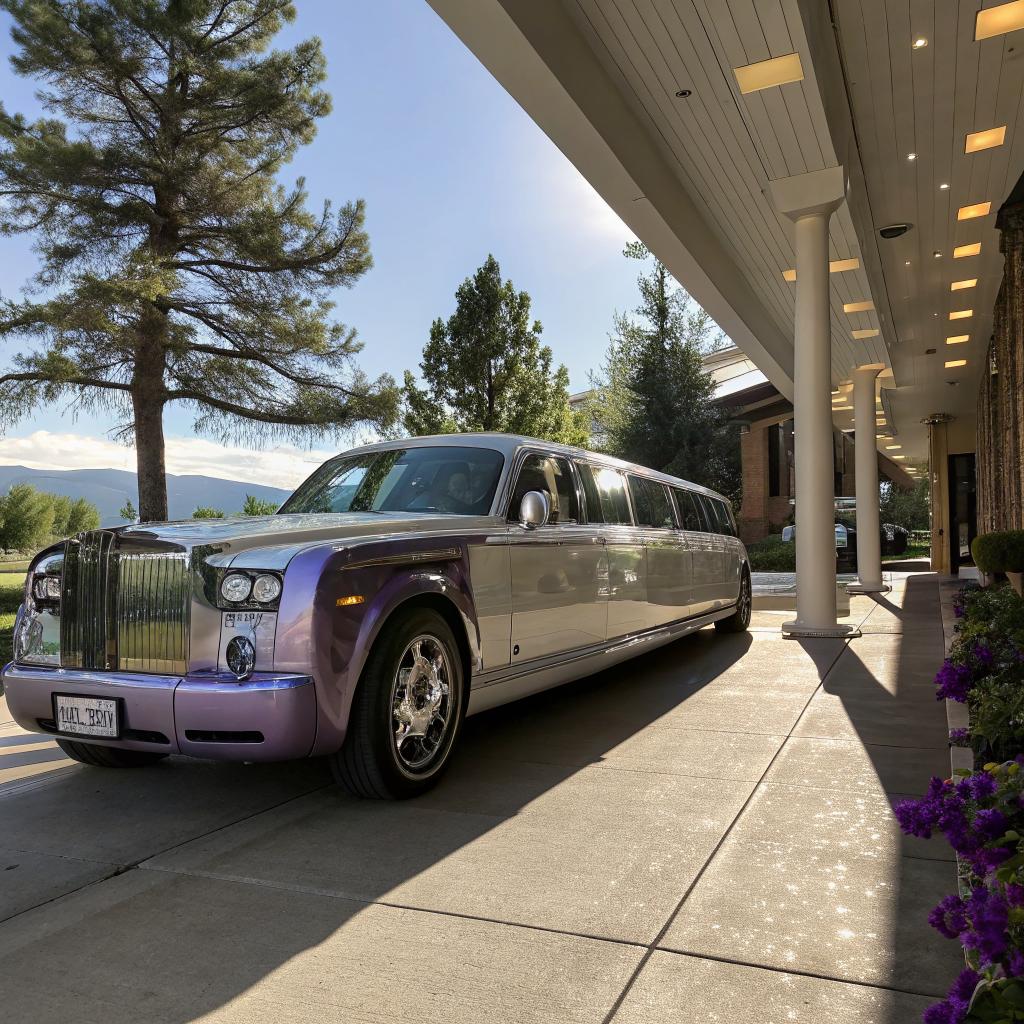
What if I told you that a wedding shuttle could affect bar revenue, vendor upsells, and even how many corporate referrals your venue closes next quarter?
It sounds a bit strange, but it is true. When couples treat transportation as a profit lever instead of a line item, the numbers change. Smart planning around wedding transportation Denver cuts friction, reduces no shows, improves guest spend, and feeds better reviews. That is where the return on investment sits. Not just in saving a few hundred dollars on a shuttle, but in how the whole guest journey converts into revenue, referrals, and repeat business for venues, planners, and even SaaS tools built around events.
The short version: wedding transportation in Denver affects ROI because it touches every part of the event funnel. It shapes guest arrival times, drink and food spend, photography quality, vendor overtime, and post-event reviews. For any business in the event stack, from venue owners to founders building event tech, this is a controllable piece of the logistics puzzle that can drive very measurable outcomes.
Let me unpack how and where that value shows up.
Transportation as an overlooked revenue system
Most couples see shuttles as a nice-to-have. A comfort feature. Something that feels polite, but not critical.
If you run a venue, planning company, or a tech product in this space, you probably see the same pattern. People obsess over flowers and flatware and then leave guest transport to a last-minute Google search.
That gap is your opportunity.
Smart transportation planning is less about vehicles and more about controlling time, flow, and guest behavior.
For a Denver wedding, this matters even more because:
- Venues often sit outside the city core, in the foothills or further out on the plains.
- Weather changes quickly, especially afternoons and evenings.
- Guests are usually flying in, sharing rides, and unfamiliar with mountain roads.
When timing is fragile and distances are long, every late Lyft or confused out-of-town driver creates delays. Those delays add real cost.
The business side: who really benefits from better shuttles?
If you step back, several players see direct ROI from smarter Denver wedding transportation:
- Venues that want higher bar revenue and fewer schedule overruns
- Wedding planners who need smoother timelines and fewer crisis calls
- Caterers, photographers, and DJs who bill overtime and protect margins
- Transportation companies that want recurring bookings and partnerships
- Event tech startups that track guest flows, RSVPs, and on-site behavior
The couple just sees buses. Everyone else should see a controllable logistics layer with clear financial impact.
Where ROI actually shows up in Denver wedding transportation
Let us get very concrete. Romantic language aside, ROI means more revenue or lower cost. That is it.
Here is how thoughtful transportation planning in Denver affects those two numbers.
1. Guest arrival patterns and bar revenue
Think about what happens when 40 percent of your guests arrive 25 minutes late because of I-70, Colfax traffic, or confusion at a mountain turnoff.
They miss pre-ceremony drinks.
They rush through photos.
They start the night stressed.
Compare that to a setup where shuttles move guests in two or three waves, all arriving in time for pre-ceremony mingling.
From a business perspective:
Every 15 minutes of extra guest bar time can push beverage revenue meaningfully higher across a 120 person wedding.
Venues know this. Bar spend is often the difference between a good and a great event financially. Smart transport:
- Gets more guests to the venue early enough to order a drink or two.
- Reduces late arrivals that ask for refunds or push for exceptions.
- Keeps the couple on schedule so bar service starts and ends on time.
If you run a venue, there is a strong case for building transport planning into your sales process. Not as an upsell only, but as a revenue protection step.
2. Vendor overtime, staff hours, and margin protection
Every delay hits someone’s margin.
Photographers stay later.
Catering staff wait to clear plates.
DJs and bands shift their set times.
Denver weddings are particularly exposed here because:
- Outdoor or mountain venues have curfews and noise limits.
- Vendors often travel longer distances and build in hard end times.
- Shifting everything by one hour can trigger overtime for multiple teams.
Now connect that to transportation. If guests arrive late, everything moves back. That delay might cost a venue 2 hours of extra staff time. For a larger operation, that stacks up over an entire season.
This is where a more analytical approach helps. Some businesses track when and why events run late. Transportation issues almost always appear near the top.
If you know your biggest source of overtime expense is late guest arrivals, it becomes hard to argue against tighter control of transportation.
For tech founders building tools in this space, there is value in surfacing this data. A dashboard that shows “events with managed shuttles vs self-drive” and compares overtime costs would speak directly to decision makers.
3. Safety, liability, and risk management
There is also a quieter ROI angle: risk reduction.
Denver and surrounding areas mix mountain roads, alcohol, and unfamiliar drivers. That can end badly, and every venue owner knows the mental math they do when guests start driving off after midnight.
When you centralize transport:
- Fewer cars on twisty or icy roads at night.
- Less parking chaos, fewer fender benders in dark lots.
- Lower likelihood of a serious incident attached to your property name.
No one likes talking about this side. But if you think like an owner or investor, you know one serious incident can cancel out years of event profit. A coordinated shuttle plan reduces that tail risk.
Is that easy to quantify? Not perfectly. But liability insurers and lawyers certainly know the difference.
4. Guest experience and review quality
Look at any public review for a wedding venue, planner, or transport company. Themes repeat:
- “Parking was a nightmare.”
- “We got lost and missed part of the ceremony.”
- “The shuttle was late and we were stressed.”
Now flip those:
- “Shuttles were smooth and on time.”
- “We never had to worry about driving.”
- “The couple organized buses from downtown hotels, it was so easy.”
Those positive lines sell future events. They also help justify higher prices.
In Denver, where couples often bring in a mix of local and out-of-state guests, transport is a major part of the experience. Clear instructions, simple pickup points, and reliable timing all turn into better reviews.
Better reviews mean:
- Higher close rates for venue tours.
- Stronger word-of-mouth referrals.
- More leverage when raising prices season over season.
This is not abstract. Reviews literally show up in search results. They create or block future booking revenue.
5. The data layer: what events pros often ignore
Many businesses in the wedding supply chain underuse basic event data. Transport gets thrown in the same “checklist” bucket as napkin colors.
That is a missed opportunity.
If you run a venue, planning firm, or event tech tool, try tracking:
| Metric | Without planned shuttles | With planned shuttles |
|---|---|---|
| Average % of guests late to ceremony | ? | ? |
| Average bar spend per guest | ? | ? |
| Average staff overtime hours | ? | ? |
| Average rating on transport-related review points | ? | ? |
Those question marks are intentional. Most teams do not know their own numbers. Once you start filling them in, patterns appear quickly.
For a SaaS founder or product manager, this also hints at features:
- Timeline tools that integrate shuttle schedules with vendor contracts.
- Automated guest messaging triggered by live GPS from drivers.
- Post-event reports that highlight delays tied to transport choices.
Transport becomes part of a measurable operational layer, not just a one-off phone call to a charter company.
Designing Denver wedding transportation like an operations problem
You can look at a wedding like a small pop-up operation with a single-day lifecycle. It has supply, demand, logistics, and a pretty clear P&L, even if many couples do not label it that way.
If you treat transportation within that lens, you start asking different questions.
Start with objectives, not vehicles
Most conversations start with: “How many guests do you have?” and “How many buses do you think you need?”
A better starting point:
- What arrival window do we want for the ceremony?
- How much pre-ceremony bar time are we targeting?
- What is our firm end time for vendors and the venue?
- Where are guests staying and what is their comfort level with local driving?
From there, you work backwards into routes, pickup times, and capacity.
Think in terms of flows:
Guests from downtown hotels.
Guests staying near the venue.
Local family that prefers to drive.
Each flow has its own timing and risk. The ROI lives in how you mix and manage those.
Map Denver specific constraints
Denver is not a generic city for weddings. A few local factors change the equation:
- Elevation and weather shifts can hit quickly, especially near the foothills.
- Traffic spikes around game days, festivals, and seasonal tourism.
- Some mountain and rural venues have tricky night driving.
A careful transport plan can:
- Add buffer time around known traffic choke points.
- Use larger vehicles on harder routes so fewer people have to drive.
- Coordinate with vendors so they adjust load-in and sound checks to real conditions.
Again, think like an operator. You would not run a logistics company on hope. Do not run wedding logistics that way either.
Transportation as a revenue product, not a cost center
Here is where some people will disagree, and that is fine.
Many planners and venues treat transport as something to protect the couple from financially. They say things like: “We do not want to push them on buses; they are already spending so much.”
I get the instinct. But if you look purely at business outcomes:
Bundling or strongly recommending transportation often saves the couple money in hidden costs while raising revenue and profit for the businesses involved.
How can both be true?
Because without planned transport:
- The couple may pay more for vendor overtime.
- Guests may spend more on rideshares with surge pricing.
- Bar revenue may drop if guests arrive late or leave early to avoid driving at night.
So the couple spends unpredictably. The vendors earn less relative to effort. And your operation absorbs more chaos.
When you treat transport as a structured add-on:
- You can quote a flat rate with clear value.
- You can build margin into packages in a transparent way.
- You can control timing and guest flow more tightly.
Plenty of tech companies have scaled on this kind of thinking: take a messy set of variable costs, package them into a managed service, and sell predictability.
Partnership models that actually work in Denver
Now let us shift into how businesses around Denver weddings can work together on transportation. This is where the growth, funding, and operations angle gets more interesting.
Venues and charter companies: recurring revenue vs one-offs
Many venues just hand couples a loose list of transport vendors. That is a very low-value move.
A stronger approach:
- Pick one or two charter partners you trust.
- Build repeatable shuttle plans for common guest counts and locations.
- Train your sales team to present transport as part of the core event design.
This does a few things:
- Gives charter companies more predictability and reason to invest in the relationship.
- Makes your venue look organized and experienced to couples.
- Reduces planning friction and time spent chasing quotes.
Transport providers also benefit in a way that investors care about: recurring bookings instead of random leads. That supports better fleet planning and more stable cash flow.
Planners and tech: operational intelligence
Wedding planners sit in the middle of everything but rarely capture the full data picture. Event tech companies see a partial view through RSVP tools and timelines.
There is room here for something more integrated:
- Transport modules built into planning platforms, not just a note field.
- Vendor collaboration features that sync shuttle schedules with photo lists and kitchen prep.
- Data exports that let planners show couples real cost savings from managed shuttles.
If you are building software in this area, transportation is a simple, clear wedge. You can demonstrate value by reducing delays and overtime costs, which are easy to quantify.
Pricing structures that support profit without games
Transport pricing often confuses couples: hourly charges, minimums, deadhead fees. It feels opaque and sometimes predatory, even if the math is fair.
For businesses, that confusion gets in the way of sales.
Some cleaner options:
- Flat event packages for certain guest counts and distances.
- Tiered plans that match common Denver patterns, like “downtown hotel to foothills venue and back.”
- Clear add-ons for extra late-night runs or extra stops.
Then, on the backend, you can still manage fleet and driver utilization intelligently. But the front-end offer feels much more aligned with how couples think: “This is what it costs to move my guests safely and on time.”
Common objections and where they miss the point
You might be thinking: “All of this sounds logical, but couples are on tight budgets. They will just cut transport first.”
Sometimes they will. Not every event is the same. But I think that objection is often overstated.
“Our guests will just drive themselves”
This is true for some local-heavy weddings with easy parking. But for many Denver events:
- Guests are flying in and have no rental cars.
- Venues are in areas with limited parking or dark roads.
- Alcohol is served freely and heavily.
Self-drive is not free either. Think about:
- Parking staff or attendants.
- Extended load-out times because the lot is clogged.
- Greater risk of incidents on the road, which can still reflect on your brand.
From a P&L view, “let everyone drive” is not clearly cheaper. It just hides the costs in different places.
“Shuttles are just a nice perk, they do not affect real numbers”
This one is simply wrong if you track the data.
Go back to the table structure earlier. Put in real numbers for 10 events that used shuttles and 10 that did not. Look at:
- Average bar revenue per head.
- Staff overtime.
- Average online rating.
If there is no difference, fine, your context might be unique. But usually, there is a visible gap. That is your business case.
“We do not want to feel like we are upselling couples”
This is more of an emotional concern, but it matters. Many professionals in weddings feel protective of couples, which is understandable.
There is a way to talk about transport where you are very honest:
Instead of pushing more spend, frame transport as a trade: spend some money in a planned way to reduce unpredictable costs and stress on the day.
You can also present options:
- One main shuttle loop and some self-drive.
- A full fleet solution from hotels.
- A minimal but targeted late-night shuttle to cut down on risky driving.
The point is not to force a bus on every couple. The point is to stop ignoring how large a role transport plays in the experience and the finances.
Where this connects to growth, funding, and the bigger picture
If you are used to reading about SaaS multiples, marketplace dynamics, and growth metrics, wedding buses may sound like a tiny niche.
But look at it from a systems angle.
Events are a large, fragmented market. Every wedding is a complex one-day operation that involves:
- Dozens of vendors.
- Many contracts and timelines.
- Guests behaving in loosely predictable ways.
Transportation is one of the few points that touches nearly every guest and every vendor schedule in a direct, mechanical way. It is messy, but it is ownable.
For founders and operators, that suggests a few paths:
- Verticalized platforms that combine RSVPs, seating, and transport in one place.
- Partnership networks between venues and transport providers with shared data.
- Analytics products that show event businesses where logistics tweaks raise profit.
It is not glamorous. But work like this often hides good businesses, the kind that are less visible yet steady and defensible.
Practical steps you can act on this season
If you work in the Denver wedding market and want to test any of this, you do not need a big rebrand or a huge tech stack. You can start small.
For venues
- Pick one trusted charter company and co-design two or three standard packages.
- Add one slide to your sales deck that shows sample guest flows with and without shuttles.
- Track bar revenue and overtime for events that take the shuttle package vs those that do not.
For planners
- Add a simple “transportation ROI” section to your planning questionnaire.
- Ask vendors to note when transport issues caused delays, and keep that data.
- Run a short post-season review of events where shuttles prevented problems.
For transport providers
- Stop selling just “buses” and start selling “timelines” and “guest flow.”
- Offer venues co-branded materials that explain shuttle benefits in plain numbers.
- Experiment with flat packages for common Denver routes to reduce sales friction.
For event tech teams
- Prototype a feature that connects guest RSVPs to transport groups and pickup points.
- Add fields in your timeline tools for shuttle waves and link them to vendor schedules.
- Surface a simple metric: “average delay minutes avoided with planned shuttles.”
If you do even one or two of these, you will have data by the end of a season. That data is fuel for pricing changes, better margin planning, and maybe a stronger pitch to investors if you are building product around events.
Q & A: Money questions people actually ask about wedding transportation
Is wedding transportation in Denver really worth the cost for smaller weddings?
For a 40 to 60 person wedding, a full fleet might not make sense. But a single shuttle running a loop between a main hotel and the venue can still:
- Protect your timeline.
- Keep key guests together for photos and ceremony.
- Reduce the chance that older or out-of-town guests get lost.
The cost is modest compared to what you spend on photography or floral setups, and it often prevents time slippage that hurts those same investments.
Do guests actually spend more money when transport is handled?
You can see this most clearly at the bar. Guests who arrive calm, on time, and ready to stay for the entire event:
- Order more drinks.
- Are more open to staying through late-night moments.
- Feel less pressure to “drive safely” by leaving early.
If your venue tracks bar numbers, compare a few events with well-planned shuttles to similar events without. The pattern in many cases is not subtle.
How should a business talk about transportation ROI without sounding pushy?
Start with transparency. Explain where costs show up when transport goes poorly: overtime, stress, missed ceremony moments, weaker reviews.
Then present a few clear options, with:
- Simple pricing.
- Realistic timing.
- Clear tradeoffs explained in numbers, not pressure.
Couples do not need a hard sell. They need someone to connect logistics to outcomes. The more honest you are about that connection, the easier it is for them to see transport as a smart choice, not a luxury extra.