
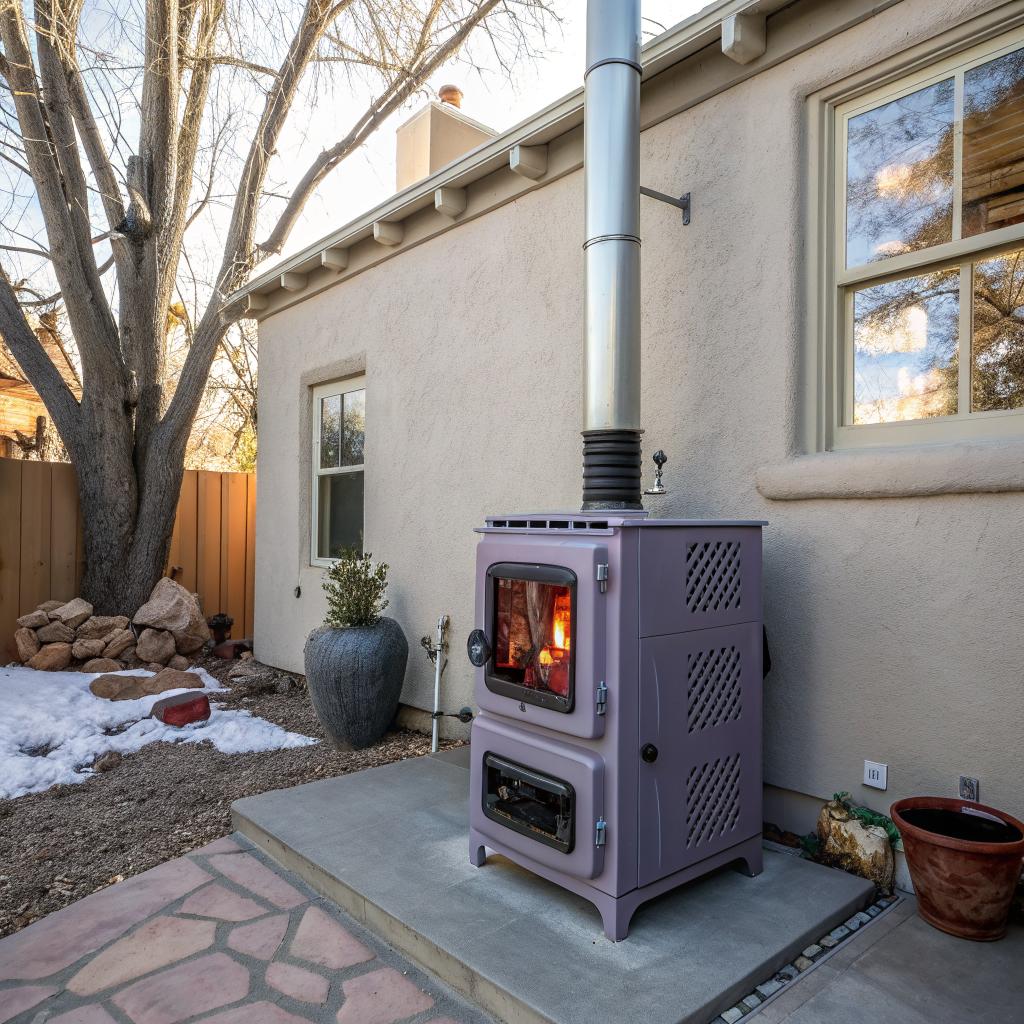
What if I told you one of the most overlooked tech ROI decisions in a building is not software, not sensors, not dashboards, but a furnace sitting in a mechanical room in Albuquerque?
If you run the numbers honestly, a well planned furnace replacement Albuquerque NM project can beat the return you get from many SaaS tools. The short answer is simple: when an old gas furnace in Albuquerque is past its mid‑teens, replacing it with a higher AFUE model, paired with basic controls and monitoring, often pays back in 3 to 7 years through lower gas use, fewer emergency calls, and more predictable cash flow. That is before you factor in tenant comfort, fewer complaints, and a bit less time wasted on operational fire drills.
Now the longer version, because the details matter.
Why a furnace is a tech and finance decision, not just a comfort upgrade
I think a lot of owners and managers still see heating equipment as a sunk cost. It runs in the background, it is boring, and nobody celebrates a furnace install the way they celebrate a new CRM rollout.
That mindset is expensive.
For a company that owns or leases space in Albuquerque, the furnace is tied directly to:
- Energy spend and volatility risk
- Downtime and lost productivity when a heat outage hits
- Tenant or employee churn for multi tenant buildings and offices
- Future capital planning and valuation of the property
So yes, you are not just picking a piece of metal. You are choosing a long term cash flow profile with a technical wrapper around it.
Treat the furnace as an asset with a 15 to 20 year yield curve, not as a one time expense you approve at the last minute.
When you look at it this way, the idea of “tech ROI” suddenly fits. The furnace, the thermostat, the controls, and the monitoring all sit in the same bucket as any other business system. They either pay you back, or they do not.
How Albuquerque weather and gas prices tilt the math
Albuquerque is not Minneapolis, but it is not Phoenix either. You get cold nights, especially in December through February. The daily swing can be large, with clear sunny days and sharp drops after sunset.
That pattern has a few consequences that matter for ROI:
- The furnace cycles a lot on winter nights, which exposes any inefficiencies in older units.
- Leaky ducts and poor controls waste more energy when the system is short cycling.
- Commercial tenants hate Monday morning cold starts when systems have been dialed back too far over the weekend.
Gas prices do not have to skyrocket for a replacement to make sense. Even modest price climbs over a decade punish older 70 percent to 80 percent AFUE units. You just quietly bleed money every winter.
Old furnace vs new furnace: a simple cash comparison
Here is a rough, simplified table that I often sketch with owners. The actual numbers will vary, but the pattern holds.
| Item | Old furnace (78% AFUE) | New furnace (95% AFUE) |
|---|---|---|
| Annual gas cost for heating | $3,500 | $2,870 |
| Annual repair + emergency calls (average) | $900 | $250 |
| Annual “soft” cost from downtime and complaints | $500+ | $150 |
| Estimated yearly total cost | $4,900+ | $3,270 |
If a replacement costs in the range of $7,000 to $10,000, you can see how a 3 to 5 year simple payback is not fantasy. It is math that you can plug into a spreadsheet.
The tech angle: controls, monitoring, and data that investors actually care about
If you focus only on the metal box that heats the air, you miss most of the leverage. The real gains come when you treat furnace replacement as part of your building tech stack.
So what does that look like in real life?
1. Smart thermostats and zoning
I hesitate to call thermostats “smart” because some of them do silly things, but pairing a new furnace with a sensible control setup is a clear upgrade.
You get:
- Better scheduling for business hours vs nights and weekends
- Remote control and monitoring from a phone or central dashboard
- Basic usage data over time, which you can compare to gas bills
- Options for zoning, so you are not heating empty wings of a building
This is not glamorous tech, but it is the kind that quietly pays you every month.
2. Integrating with building management systems
For larger properties or portfolios, the furnace should plug into whatever building management or automation system you already use. Even a basic integration can:
- Alert you when runtimes spike or comfort complaints cluster in one area
- Help you stage heating with other loads, like lighting, to smooth demand
- Make it easier to benchmark buildings against each other
Investors pay attention when you can show consistent, verified reductions in energy use across multiple sites. A furnace that feeds data into that story is more valuable than one that does not.
3. Tracking ROI with simple metrics, not buzzwords
You do not need fancy dashboards to tell if the project paid off. You just need to track a few numbers consistently:
- Pre vs post install gas usage for similar weather periods
- Number of heating related tickets or complaints
- Emergency service calls per heating season
- Actual temperature stability during working hours
If you tie those to costs, you get a clear picture. If you share that picture with lenders or investors, they see that your “boring” mechanical upgrade behaves like a disciplined tech investment.
If you cannot measure the impact of your furnace project, it is hard to argue it beats other uses of capital on a pure ROI basis.
How age, size, and building type change the business case
Not every furnace in Albuquerque should be replaced on sight. Some units still have a lot of life left. Others are money pits in disguise.
You can think through three basic filters.
1. Age and condition
Gas furnaces often have an expected life of 15 to 20 years. That range can be shorter if maintenance has been poor, filters were ignored, or the unit was incorrectly sized.
If you are managing a building, ask:
- How old is the furnace in actual years, not guesses?
- Have there been frequent repairs in the last 3 to 5 years?
- Do you see rising fuel use that does not match weather patterns?
- Are there safety findings like cracks in the heat exchanger?
A unit that is 17 years old, has had 3 service calls per winter, and runs harder every year is a prime candidate. On paper it might still “work”, but from a finance view it is draining margin.
2. Sizing and load profile
In Albuquerque, many older systems were sized with a lot of buffer. People feared cold snaps, so they overbuilt. That creates an odd pattern:
- The furnace cycles on and off too often.
- Comfort is uneven, with hot and cold zones.
- Mechanical components wear out faster from constant starts.
A replacement project is the moment to correct this. A right sized high AFUE furnace with a good blower and duct adjustments can trim both fuel and noise, while giving steadier temperatures.
This is where a basic load calculation and some real usage data help. You do not need a 50 page report, but you should not rely only on “what was there before.”
3. Building use case
The ROI profile changes with how the building makes money.
For example:
- Office space: Better comfort can reduce complaints and help retention, especially if you run flex or coworking models.
- Retail: Cold shops in winter drive away impulse traffic and shorten dwell time.
- Industrial or light manufacturing: Temperature swings can affect materials, adhesives, and even safety.
- Multifamily: Renters talk, and chronic heating issues can push them to competing properties.
If you are raising capital or preparing to sell, being able to say “we replaced all furnaces older than X years, with documented savings of Y percent” is a simple, credible story.
Where tech buyers often get furnace decisions wrong
People who make smart choices about software and cloud spending sometimes make odd choices about HVAC. I have seen a few recurring patterns.
Chasing the lowest bid without lifecycle math
This is the classic mistake. You collect three bids, pick the cheapest, and feel good about it. Then you find out that:
- There was no proper sizing, so the unit short cycles.
- The installer skipped ductwork fixes to keep the bid low.
- The thermostat is a bare minimum model with no remote control or logging.
You saved $1,500 up front and gave up perhaps $1,000 per year in higher energy and service for the next decade. From a tech buyer point of view, that would be unacceptable.
Ignoring total cost of ownership
You would not pick a server or software platform strictly on purchase price. You would look at license fees, maintenance, integration, and staffing. The same logic should apply here.
The total cost picture for a furnace over, say, 15 years includes:
- Install cost
- Fuel use by year
- Routine maintenance and filter changes
- Repair events and major part replacements
- Downtime cost when it fails at the worst moment
When you structure the decision that way, a slightly higher upfront cost can be the rational, conservative choice.
Overcomplicating the tech layer
There is a temptation to turn every building into a lab. Do not. Some systems are sold with features that look advanced, but nobody on your team will use them.
You do not need every furnace tied into a custom IoT platform with machine learning forecasts. For many Albuquerque buildings, the most reliable setup is:
- A high quality, right sized furnace
- A proven smart thermostat or BMS integration
- Clear alerting for faults and unusual runtimes
- A simple reporting view with a few trends
If the tech makes it harder for your staff to manage heating, any theoretical energy savings will get swallowed by confusion and workarounds.
Choose the simplest control and monitoring stack that your existing team can actually run without handholding.
Maintenance, contracts, and why “set and forget” kills ROI
Even the best furnace will underperform if maintenance is treated as a nice to have. This is where I disagree with many owners who say, “We will call someone when it breaks.”
That strategy looks cheap until you map it to cash flows.
Preventive care vs emergency repairs
Let us compare two rough approaches over 5 years for a commercial unit.
| Aspect | Reactive approach | Planned maintenance approach |
|---|---|---|
| Annual visit cost | $0 | $250 to $400 |
| Emergency calls (avg per 5 yrs) | 3 to 4 at $600 each | 0 to 1 at $600 |
| Average efficiency drift | 5 to 10% loss | 2 to 4% loss |
| Soft cost from downtime | Higher | Lower |
When you add gas use, the planned route often wins, even if it feels like another line item to approve.
For investors, a documented maintenance plan also signals that building systems will not surprise them with hidden capex right after closing.
What a sane maintenance plan includes
You do not need anything exotic. A realistic plan for Albuquerque might include:
- Two visits per year, before and after the main heating season
- Filter changes on a schedule that matches your dust and occupancy level
- Basic cleaning of burners, blower, and flame sensor
- Safety checks, including carbon monoxide testing
- Review of control settings and operating data trends
If you have multiple properties, roll this into a simple contract with performance expectations and reporting. That way, furnace health becomes part of your regular operational review, not a surprise.
ROI from the funding and valuation perspective
If you operate or invest in tech companies, you are used to thinking about runway, burn rate, CAC, LTV, ARR, and so on. Building systems tend to live in a separate mental bucket.
I think that is a mistake, especially when physical space matters for your business model.
1. Lower operating expenses, higher asset value
Lower predictable heating costs show up as improved net operating income. Even a small reduction on a per square foot basis can matter at scale.
For example, if furnace upgrades across a portfolio cut heating spend by $0.20 per square foot per year, and you own or lease 100,000 square feet, that is $20,000 a year. Capitalized at a modest cap rate, it can support hundreds of thousands in added value for an owner.
For a tenant, that same savings stretches runway. It may not be as eye catching as shaving cloud spend, but it is just as real.
2. Less volatility in cash flows
Old furnaces are random. They fail when you least expect it. They run inefficiently during cold snaps, when gas prices often spike.
Newer units with solid maintenance produce more stable bills and fewer emergencies. For lenders and investors who hate surprises, that matters.
3. A cleaner story in due diligence
If you are raising a growth round, or preparing for a sale, physical space rarely leads the deck. But when a serious buyer shows up, they will ask about:
- Remaining lease terms and operating costs
- Major building system risks if you own the space
- Exposure to outages that could hit revenue
Being able to say “We phased out furnaces older than 15 years, here is the list, here are the warranties, and here is the 3 year energy trend” does not win the deal by itself. But it does remove doubt.
For a real estate investor, that same package can tip a decision when properties look similar on the surface.
Practical steps to evaluate furnace ROI in Albuquerque
If you are reading this and thinking, “Fine, but what do I actually do with this,” here is a simple flow. It is not perfect, but it is more honest than gut feel.
Step 1: Build a quick inventory
For each building:
- List each furnace with model, capacity, fuel type, and age.
- Note recent repairs and their cost.
- Tag any units with frequent complaints linked to them.
This can fit in a spreadsheet. The goal is to see what you own, not create an encyclopedia.
Step 2: Pull 2 to 3 years of energy bills
Gather gas bills and, if possible, normalize usage against degree days or at least weather notes. You want to see if heating use is creeping up while occupancy and climate stay roughly the same.
Look for outliers: buildings or zones where heating costs per square foot are clearly worse than peers.
Step 3: Talk to your operations staff
Ask the people who get the midnight calls:
- Which units concern you the most?
- Where do you see repeat issues?
- Do any systems feel mis sized or prone to short cycling?
You will get subjective answers, but they often point to real patterns.
Step 4: Run basic payback and NPV scenarios
Pick a few candidate furnaces for replacement. For each, model:
- Install cost
- Expected efficiency gain (for example 78 to 95 AFUE)
- Reduction in repairs and emergencies per year
- Any change to maintenance costs
Calculate:
- Simple payback (years)
- Net present value over 10 to 15 years with your usual discount rate
If a unit has a payback under, say, 6 years and the NPV is clearly positive, it is a strong candidate. If numbers are borderline, you can factor in softer benefits like comfort and reputation.
Step 5: Plan phased replacements, not chaos
Instead of waiting for random failures, schedule furnace projects:
- Bundle replacements in the shoulder seasons when demand for contractors is lower.
- Negotiate better terms across multiple buildings.
- Coordinate with other projects, like roof or insulation upgrades.
This approach feels more like a product roadmap than a fire drill.
Two short case examples from a tech and property viewpoint
These are simplified, but based on patterns I have seen.
Case 1: Growing SaaS company in a mixed use building
A 40 person SaaS firm in Albuquerque rents two floors in a mixed use building. The landlord still relies on 18 year old furnaces. Winters bring frequent cold complaints. There was one mid January outage that forced a full day of remote work.
From the tenant side:
- They measured a dip in productivity on very cold days.
- Employee satisfaction surveys mentioned comfort more than once.
- They lost a day of in office sales calls during the outage.
From the landlord side:
- Gas bills were climbing 5 to 7 percent per year, not fully explained by rates.
- Emergency calls were hitting 3 per winter across all units.
The landlord opted for a phased furnace replacement across the building, with simple smart controls and a maintenance contract. Within two winters:
- Gas use dropped roughly 18 percent after weather adjustment.
- Emergency calls dropped to near zero.
- Tenant complaints about heating almost stopped.
When the landlord refinanced, the lower operating costs helped support a better valuation. The SaaS tenant renewed more comfortably, seeing the property as a stable base for their next hiring phase.
Case 2: Small portfolio investor with older stock
An investor with five small commercial properties, all in the Albuquerque area, had a mix of old furnaces, some going back over 20 years. On paper, the yield looked fine, but real operating costs kept drifting up.
They treated the problem as they would a software refactor:
- Created a simple system inventory.
- Flagged furnaces over 15 years old with high repair history.
- Ran payback and NPV on replacements vs “run to failure.”
Three units showed clear positive NPV and payback under 5 years. Two were marginal. They replaced the three clear cases first, logged energy and maintenance data, and used that to revisit the other two later.
Result after 3 years:
- Portfolio wide heating costs per square foot dropped around 12 percent.
- Emergency service charges fell by more than half.
- The investor had cleaner numbers to share with lenders and partners.
Not a miracle. Just steady, technical decision making on what used to be “background” equipment.
Common questions from tech focused owners and managers
Q: Is furnace replacement really better ROI than more visible tech projects?
Sometimes yes, sometimes no. That is the honest answer. If you have low hanging gains from process software or sales tooling, those might beat HVAC on pure return. But if your furnaces are very old and your heating bills are high, the payback from a replacement can be surprisingly competitive, especially after you consider risk and volatility.
Q: Why should I care if I am just a tenant, not the building owner?
You still feel the impact through:
- Pass through operating expenses
- Comfort and productivity for your team
- Outage risk during key product or sales periods
You can push the landlord to share energy data and upgrade plans. In some cases, you can negotiate improvements as part of a renewal.
Q: How “techy” should I get with controls and monitoring?
My view is conservative here. Start with:
- Reliable, high AFUE equipment
- Decent smart thermostats or BMS tie in
- Clear fault alerts and basic logging
If your team has appetite and skill, you can layer on more advanced monitoring later. But do not let complexity get ahead of what your operations group can realistically manage.
Q: What is the single biggest mistake companies make around furnace projects?
They treat it as a panic purchase when something fails, instead of a planned capital and tech decision with a clear ROI case. When you buy under pressure, you rarely get the right size, controls, or pricing. When you plan, you have room to think, compare, and track results.
If you think of your next furnace replacement in Albuquerque as part of your tech and finance roadmap, not just a facilities chore, how different would your decision process look?