
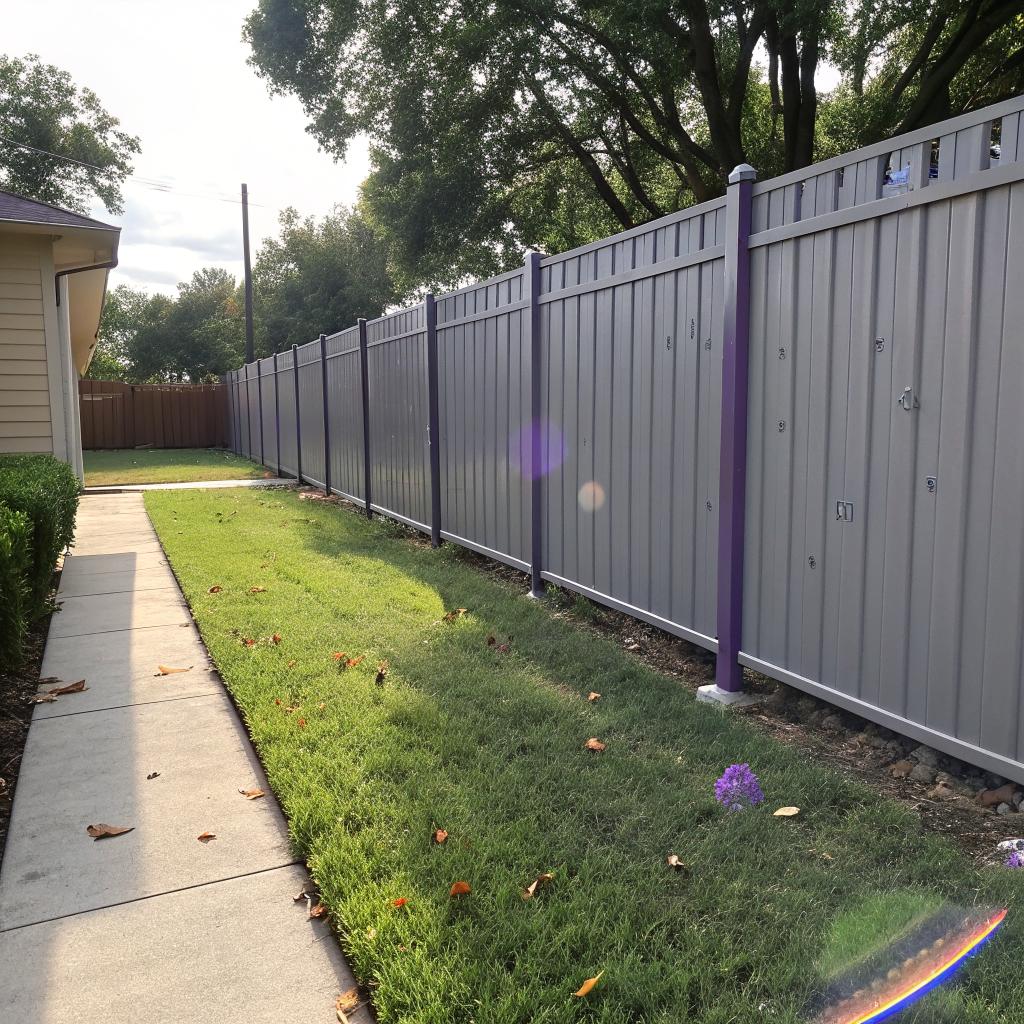
What if I told you that some of the fastest growing local service businesses right now are not software startups, but plain old fence contractors in Houston?
The short answer is: the fence companies Houston that are growing fastest are using tech as a growth engine. They run on online quoting tools, route planning apps, field photo tools, automated follow ups, and job costing software. They combine all that with very simple dashboards that track close rate, lead source, and profit by job. The tech is not fancy, but the way they use it changes how many jobs they can handle, how fast they get paid, and how repeatable their growth is.
Why fencing is suddenly a tech story
If you look at a typical local contractor website from 10 years ago, it was a static page, a phone number, maybe a blurry gallery.
Now compare that to how top fence companies in any big city work today:
- They run Google ads and track every call.
- They reply to leads in minutes, not days.
- They send quotes by text with photos and clear pricing.
- They collect signatures and payments online.
- They track crews, materials, and margins in real time.
None of this is new tech in a global sense. But in fencing, the jump from paper, voicemail, and guesswork to this stack is huge.
In Houston, which has constant construction, storms, and a lot of new housing, the fence market is crowded. That makes it a good place to look at how tech turns what used to be a small trades business into something that behaves more like a growth company.
If you are reading this from the tech or investor side, you might think, “Ok, but this is just software adoption.” I think that is a bit shallow. The more interesting part is how these owners are quietly rebuilding their business models around software, quoting data, and routing data, even if they never use those words.
From phone calls to funnels: how leads really work now
Most fence owners used to rely on yard signs, word of mouth, and maybe a Yellow Pages ad. Today, more of the serious ones treat their lead flow like a funnel they can measure, tweak, and buy.
Paid search, local SEO, and why speed wins
In Houston, a homeowner searches “fence repair near me” or “new cedar fence.” They usually click one of the first three results or ads, glance at the photos, then call or submit a form. By the time you reach the fourth or fifth option, they are already tired.
The companies that are scaling tend to:
- Buy intent: they run Google ads on high intent phrases and watch which ones actually turn into paid jobs.
- Invest in local SEO: they collect real reviews, upload recent project photos, and keep their profiles active.
- Respond fast: they use call answering services, text autoresponders, and simple CRMs so no lead sits unpaid attention.
One owner I spoke with told me he doubled his close rate just by replying to inquiries in under 5 minutes with a short text and a calendar link. Nothing fancy. Just the speed.
Whoever replies first with a clear next step usually wins the job, even if their price is a bit higher.
For the audience that cares about growth and funding, this matters because response time is one of the easiest metrics to track and fix with tech. There is a direct line from time-to-first-response to revenue.
If you want a concrete example of this shift, look at how some fence companies Houston present themselves now. They used to be “call us for a free estimate” and that was it. Now it is online quote forms, map-based service areas, even basic chat widgets.
CRMs for contractors, not for Fortune 500s
A lot of owners tried big generic CRMs and gave up. Too complex, too many required fields, no time.
The ones who are making progress switched to lighter tools built for trades:
- Jobber, Housecall Pro, ServiceTitan (for bigger shops)
- Or even a custom Airtable or Google Sheets layout with Zapier
They track only what matters:
- Lead source (Google Ads, organic search, yard sign, referral)
- Quoted amount
- Won or lost and why
- Time from lead to quote, and from quote to job scheduled
That data feeds back into marketing spend and pricing. It sounds basic, and it is. But going from “I think most of my jobs come from referrals” to “43 percent of closed jobs this month came from Google Ads targeting ZIP codes 77084 and 77095” changes budget decisions quickly.
The growth story in fencing is not that they use software, but that they finally know which dollars bring more dollars back.
Quoting and design: from tape measure to tablet
If you have ever watched a fence contractor prepare a quote the old way, it was a lot of walking, scribbling measurements, guessing materials, and then “I will email it later.” That delay kills deals.
Now there is a slow but steady move to digital estimating.
Online quote forms and rough pricing
Many Houston fence companies now start the relationship with an online quote request that collects:
- Address (so they can view the property on satellite images)
- Fence type (wood, vinyl, aluminum, chain link, etc.)
- Approximate length or basic layout
- Photos of the current fence or yard
Some even give a rough range on the spot based on length and type. It is not perfect, but it frames expectations. Customers feel informed, and the company spends time only on people who accept the ballpark.
A common pattern:
1. Lead fills out a form.
2. System creates a record in a CRM.
3. Estimator gets a notification with address and basic details.
4. Estimator reviews property on satellite view.
5. Estimator calls or texts with a range and schedules a site visit if the customer is still interested.
That sequence can be automated with pretty cheap tools.
3D layouts, AR, and remote estimates
This sounds overhyped when you hear it at tech conferences, but fence design tools are getting simpler. There are apps that let an estimator draw fence lines on a satellite map, assign heights and materials, and get instant material lists and costs.
Some even support:
- Augmented reality previews through a phone camera.
- Instant material takeoffs tied to supplier price lists.
- Side by side comparison of different fence types for the same property.
Do all Houston fence companies use this? No. Many still rely on experience and paper. But the ones that do adopt these tools can send precise quotes faster, with visual layouts that reduce misunderstandings.
Here is a simple comparison that I have seen play out in numbers:
| Process step | Traditional quoting | Tech-assisted quoting |
|---|---|---|
| Time to first quote | 2 to 5 days | Same day, often under 4 hours |
| Average close rate | 20 to 30 percent | 35 to 50 percent |
| Number of quotes per estimator per day | 3 to 4 | 8 to 12 |
Are these numbers universal? No. But they are common enough that investors who study home services notice them.
The faster you can quote accurately, the more at bats you get, and the more predictable your pipeline feels.
Field operations: phones, photos, and routing
Once the job is sold, tech either helps or gets in the way. The trend in Houston fence companies is to pick a small set of tools that match how crews actually work in the heat, dust, and mud.
Route planning and scheduling
Fence jobs are scattered across the metro area. Fuel, time, and crew morale all suffer if routes are random.
Better operators now:
- Batch jobs by area and fence type.
- Use simple routing apps or in-app maps to plan daily routes.
- Give customers tight arrival windows, then send live updates.
For example, instead of:
“Your job is scheduled for Tuesday, sometime in the morning.”
You get:
“Our crew will arrive between 8:30 and 10:00. We will text you when we are on the way.”
That kind of message is easy to trigger from most field service apps.
From a growth perspective, smarter routing can:
- Add one more job per crew per week without hiring more people.
- Cut overtime and fuel spend.
- Reduce cancellations and complaints.
A small owner may not phrase it this way, but they feel it in their weekly cash balance.
Photo reports and quality control
One underrated change is the habit of documenting jobs with photos, before and after, snapped on a phone and stored in the job record.
This helps with:
- Disputes: “Your fence line is crooked” is easier to answer with photos from post setting day.
- Training: new crew members can see past jobs and learn standards.
- Marketing: those photos become website galleries and social posts.
In Houston, where heavy rains and shifting clay soil can cause movement, photo history also helps when a customer calls two years later about a gate that no longer closes right. You can see if the original install had issues, or if soil movement is the real cause.
Inventory and suppliers
Houston has strong supply options for lumber, metal, and vinyl. Some fence companies are now integrating:
- Digital purchase orders sent directly from job costing software.
- Live price feeds or weekly spreadsheets for lumber and steel.
- Basic inventory tracking for posts, pickets, and hardware.
No one is building full ERPs here, at least not usually. But having even a rough view of:
| Metric | Without tech | With basic tech |
|---|---|---|
| Material overbuy per job | 5 to 15 percent | 2 to 5 percent |
| Out-of-stock surprises | Frequent | Rare |
| Time spent on phone with suppliers | Hours per week | Mostly handled in batches |
can free up an owner to focus on hiring, sales, or new service lines.
Pricing, margins, and the move away from guesswork
This is where the story becomes more interesting for people who think about growth and funding.
A fence job has a simple structure:
- Materials: lumber, metal, concrete, hardware
- Labor: hours and crews
- Overhead: trucks, insurance, rent, software, admin
- Profit: what is left when you do the math correctly
Many owners used to price by gut feeling: “This job feels like $7,000.” That approach stops working when you add more crews or when lumber prices jump.
Job costing software and margin control
Now you see more fence companies loading each job into a simple job costing tool that tracks:
- Installed fence length
- Material cost per foot
- Labor hours per foot
- Other costs like permits or hauling off debris
Then they compare:
| Item | Estimated | Actual | Difference |
|---|---|---|---|
| Material cost | $3,000 | $3,450 | +$450 |
| Labor hours | 32 | 40 | +8 |
| Gross margin | 38 percent | 29 percent | -9 points |
After a few months of this, patterns emerge.
Maybe 6 foot cedar fences on sloped lots always blow the budget because crew times are longer. Or maybe chain link jobs in certain neighborhoods need an extra visit for HOAs.
Once an owner sees those patterns, they adjust pricing or decline certain job types. That selectivity is what often separates growing companies from the ones that burn out.
For investors, this kind of data is gold. It tells you if the business can grow without margin collapse, and if the owner understands their own numbers.
Financing, cash flow, and payment tech
Fencing is capital hungry in a quiet way. You buy materials upfront, pay crews weekly, and then wait for checks.
Tech has bitten into that lag.
Online payments and automatic invoicing
Most growth-minded fence companies in Houston now:
- Send digital invoices with click-to-pay links.
- Collect deposits by card or ACH before ordering materials.
- Send reminder emails and texts when payments are due.
That does two things:
- Improves cash flow, which supports hiring and advertising spend.
- Reduces admin time hunting down checks or running to the bank.
Is there a fee burden from card payments? Yes. Some owners swallow it, some add a small surcharge, some offer a small discount for ACH.
The trade-off is usually worth it when you consider how late payments affect payroll stress and growth decisions.
Consumer financing for larger jobs
For big residential fences or commercial projects, offering financing at the point of quote can increase average ticket size and close rate.
We are seeing more companies connect to:
- Home improvement lenders.
- Buy-now-pay-later providers that handle credit checks.
Instead of “Your fence will cost $8,500,” the customer sees:
“Your fence will cost $8,500 or around $210 per month.”
This is not new in other industries, but in fencing it is still gaining adoption. It makes cash-heavy upgrades, like steel posts or premium wood, more common.
For anyone thinking about rollups or regional platforms, the ability to offer consistent financing options across markets is part of the scaling story.
People, hiring, and training in a tight labor market
Houston companies have another bottleneck: crews. You can buy all the ads you want, but if you cannot find and keep skilled installers, growth stalls.
Tech plays a softer role here, but it still matters.
Hiring funnels and referral tracking
Some fence companies now treat hiring with the same seriousness as customer acquisition:
- Online job ads with realistic descriptions.
- Simple application forms that work on a phone.
- Text-based interview scheduling.
- Referral bonuses with basic tracking.
If that sounds boring, that is fine. It works. A lot of good installers prefer to apply by phone and text instead of uploading resumes to clunky portals.
Owners also keep a simple pipeline view: how many applicants, interviews, trials, and hires they had in the last 30 days. It helps them know if they can add another crew before they buy an extra truck.
Digital training and standard operating procedures
Training content does not have to be glossy. Some of the better operators record short videos on a phone:
- How to set posts in Houston clay.
- How to check lines and heights.
- How to interact with customers on site.
They store these in a shared drive or internal app. New hires watch a few clips before day one. Crew leads refer to them for refreshers.
This kind of repeatable training supports growth because quality does not drop as fast when crews expand. It is not perfect. Turnover is still an issue. But the knowledge lives in more places than just the owner’s head.
Data, dashboards, and what growth-focused owners watch
Here is where the tech story connects most clearly with a growth and funding mindset.
Owners who think bigger tend to look at a small set of numbers every week. Not 50 metrics, just a handful that tell them if the machine is healthy.
The simple metrics that matter
Common ones include:
- Leads per channel (Google Ads, organic, referrals)
- Quote volume and average quote amount
- Close rate overall and by channel
- Average days from lead to job start
- Gross margin by job type
- Customer satisfaction (often just review scores)
Some owners feed this into a simple dashboard in Google Data Studio or another lightweight tool. Others export weekly reports from their field software.
From a growth lens, the interesting part is how they act on those numbers:
- If Google Ads leads are high volume but low margin, they tweak targeting or bidding.
- If response time suffers, they add call answering or assign a dedicated coordinator.
- If certain crews consistently blow budgets, they coach or reshuffle staffing.
You can argue that none of this is unique to fencing. That is fair. But fencing is a good example of how a blue-collar business starts to behave like a tech-enabled service company without calling itself that.
Where investors and tech builders are watching
People in the tech and funding world sometimes ignore trades businesses because they do not scale like pure software.
I think that is a mistake.
Houston fence companies show a few interesting patterns:
Rollup and platform potential
Some private equity firms are quietly buying local home service companies and centralizing:
- Marketing and lead management.
- Software stacks and data.
- Training and playbooks.
Fencing fits in that model because:
- The service is recurring over long cycles (fences age, storms hit, HOAs change rules).
- There is room for upsells (gates, access control, staining, repairs).
- Margins respond well to better routing and job costing.
You could imagine a regional or national platform that standardizes tech, while still keeping the local brand and crews. Some groups are already trying this, though they do not always advertise it loudly.
Software niches still open
From a product and startup view, fencing exposes gaps:
- Better satellite-based layout tools tuned for fences, not just general construction.
- Crew-friendly mobile apps that work well offline in hot, dusty conditions.
- Pricing engines that blend material price volatility with competitive data.
- Simple integrations with big box suppliers and local yards.
There is a tension, though. Many fence owners do not want another login or another complex system. They want lighter tools that fit into their day, not the other way around.
That tension can lead to good products or endless sales cycles, depending on how realistic founders are about field conditions and owner time.
A quick Q&A to ground all this
Q: Do all Houston fence companies need heavy tech to grow?
A: No. Some grow just by delivering solid work and answering the phone. But as competition increases and customer expectations rise, the ones that ignore tech entirely usually hit a ceiling. The question is not whether to use tech, but which small set of tools gives real returns without adding chaos.
Q: Where should a growing fence company start with tech?
A: Usually with faster lead response and cleaner quoting. That often means a simple CRM or field service app, online quote forms, and basic templates for emails and texts. Once that is stable, adding job costing and routing tools tends to pay off next.
Q: From an investor or tech builder view, what is most interesting here?
A: The shift from guesswork to measurable systems in a very tangible service. When a fence company in Houston can tell you its cost per acquired customer, close rate, and job margin by type, you can model growth, test new markets, and justify software spend. It is not pure software growth, but it is real, grounded, and often underpriced.
What part of this tech stack do you think has the most impact on actual profit: lead generation, field operations, or pricing intelligence?