
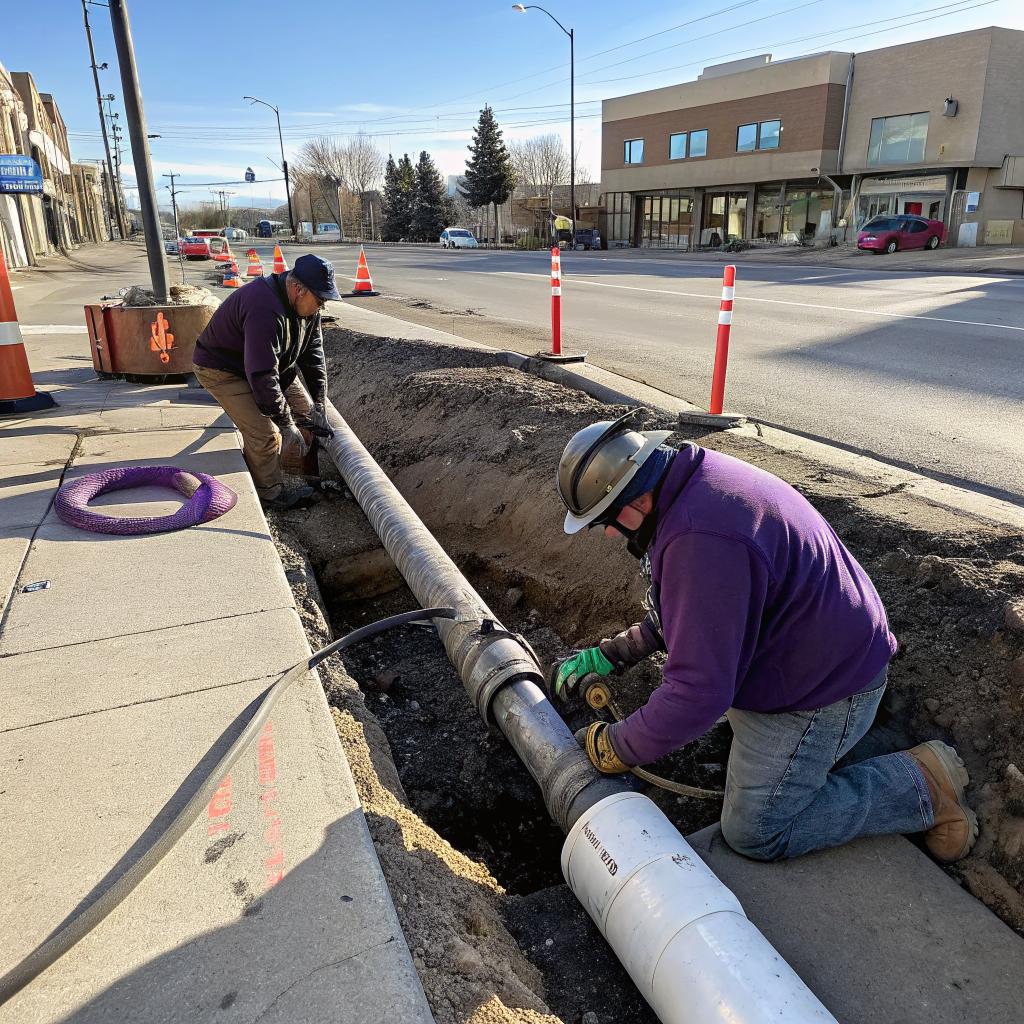
What if I told you one cracked pipe under your parking lot could quietly erase a quarter of your profit this year, and you would not see it coming until the invoices and bad reviews started to stack up?
Here is the short version: smart, proactive Arvada sewer repair protects your business growth by cutting unplanned downtime, avoiding emergency capital drains, keeping inspectors off your back, and making sure customers and staff are not driven away by smells, backups, or closures. Sewer problems are not a plumbing issue first. They are a cash flow and growth strategy issue that just happens to involve pipes.
Once you see it that way, the choices you make around your building infrastructure start to feel a lot more like the choices you already make about software, hiring, and funding.
Why sewers quietly decide whether your business can grow
Most business owners in Arvada think about lease terms, payroll, software tools, and customer acquisition before they think about what is under the floor. That is normal. I have done the same thing more than once when I managed a small office.
But the underground system under your store, office, or warehouse behaves a bit like technical debt in a fast growing startup. You can ignore it for a while, you can tell yourself you will get to it when you raise the next round, and then one day you hit a wall that you could have avoided with a boring but smart fix earlier.
Smart sewer repair is not about pipes. It is about controlling risk that can freeze your growth at the worst possible time.
Think about how your growth actually plays out in real life:
You add more customers.
You hire more staff.
You extend hours.
You maybe add a kitchen, more restrooms, or more water using equipment.
All that extra activity flows into the same pipes. If those pipes were already old, misaligned, or partially blocked by roots, growth simply adds stress to something that was already near its limit.
No investor pitch deck talks about that. Yet the impact shows up directly in the metrics that founders, owners, and finance teams care about:
Revenue per day
Customer retention
Cost of goods sold
Hiring and retention costs
Insurance premiums
Unplanned capital spend
So if you want to protect growth, you need to think a bit less about the word “sewer” and a bit more about “infrastructure reliability.” The idea is almost boring, but the price you pay for ignoring it is not boring at all.
How sewer failures translate into lost revenue and stalled growth
Let us break this into real, day to day business problems instead of theory.
1. Downtime that hits you during peak revenue
If you run a restaurant, retail space, gym, daycare, or medical office, you already know the feeling when something physical fails during your busiest hours. A clogged main line is one of the worst versions of that story.
Sewer failures rarely hit on a calm Tuesday morning. They show up at 6 p.m. on Friday or 10 a.m. on Saturday when usage is highest and disruption hurts most.
When that happens, you are often forced to:
Send customers away
Close early
Cancel appointments
Pay staff who cannot work because the building is out of service
From a finance angle, that is a double hit. Revenue drops, and costs do not.
Here is a simple way to see the impact.
| Business type | Average revenue per hour | Hours closed from a sewer failure | Lost revenue |
|---|---|---|---|
| Restaurant | $1,200 | 8 | $9,600 |
| Dental office | $800 | 6 | $4,800 |
| Gym | $500 | 10 | $5,000 |
These are simple numbers, but they are not exaggerated. And they do not include:
Refunds
Overtime for cleanup
Lost repeat customers who decide not to come back
Staff overtime to catch up on rescheduled work
Smart sewer repair flips that script a bit. You look for weak points early, fix them on your schedule, and avoid the weekend catastrophe that wipes out a good chunk of margin.
2. Emergency capital drains that hit your runway
If you are bootstrapped, you probably track every large expense because you feel it directly. If you run a funded company, you think in terms of runway and burn rate.
Unexpected sewer work can rip through either.
There is a big difference between:
A planned repair done during slower hours, with competitive bids and time to pick the right method
and
An emergency dig-up at night because waste water is backing into customer areas and the health department is on your mind.
Here is how the costs tend to compare.
| Scenario | Direct repair cost | Extra costs | Total impact |
|---|---|---|---|
| Proactive, planned sewer repair | $8,000 | $1,000 (off-hours scheduling, minor site repair) | $9,000 |
| Emergency sewer failure | $15,000 | $10,000 (lost revenue, cleanup, temporary closures) | $25,000+ |
You can debate exact numbers, but the pattern is hard to argue with. When you have no leverage on timing, rates go up, options shrink, and any negotiation advantage disappears.
For a small or mid sized business, that can equal:
Delayed hiring
Paused marketing campaigns
Deferred equipment upgrades
An increased draw on a line of credit
From a growth point of view, every emergency dollar that goes into a torn up parking lot is a dollar that does not go into something that actually grows your company.
3. Health, safety, and compliance risk
Arvada businesses work under city codes, county health rules, and state regulations. Sewer problems touch all of these at once.
Backups, slow drains, or leaks often lead to:
Health inspections
Temporary closures
Fines
Bad local press or online comments
That is not just about reputation. It affects your ability to run at full capacity.
The fastest way to draw the attention of regulators is to have untreated wastewater show up where people eat, work, or wait.
If you plan to expand locations, or grow from one unit to a small chain, your track record with local inspectors matters. A history of messy closures and sanitary issues is a real drag on those plans.
Smart sewer repair, especially when combined with video inspection records and regular maintenance logs, gives you a clean story to show landlords, investors, banks, or potential buyers later. You can show that building systems are under control, not an unknown liability.
What “smart” Arvada sewer repair actually looks like
Saying “be proactive” is easy. Knowing what that means in practice is different.
In my experience, the smart approach has a few parts. None of them require you to become a plumbing expert, but they do require you to treat this like other business systems, not as an afterthought.
Use diagnostics before you approve big work
If a pipe under your lot might cost tens of thousands to replace, spending a small fraction of that on accurate diagnostics is not overkill. It is just normal risk control.
At a basic level, this means:
- Video inspection of the sewer line to actually see blockages, cracks, or root intrusion
- Locating the exact route of the line, so you know what area would be affected by digging
- Recording footage and notes, so you can get a second opinion if the first bid looks high
Think of it similar to getting logs and monitoring data before restructuring your backend system. You want facts, not guesses.
If a contractor pushes for major work without a clear diagnostic report, that is a red flag. This is where saying “no” or “not yet” is reasonable, even under time pressure.
Favor trenchless methods when the math works
Traditional repair often involves digging up large areas of your lot or sidewalk. That can disrupt traffic, parking, deliveries, and customer access.
Trenchless methods, like pipe lining or pipe bursting, repair or replace the line through smaller access points. Not every situation qualifies, and sometimes soil conditions or pipe collapse make traditional work the only real option.
Still, when trenchless is on the table, it often gives you:
Less downtime
Minimal impact on parking or outdoor seating
Lower surface restoration cost
A clearer schedule
From a growth perspective, that means your customer experience, your staff access, and your brand presence are disrupted for fewer days. That matters more than the exact technique used on the pipe.
Schedule around your business, not the contractor
One thing many owners do by accident is let the contractor’s schedule dictate their own. That feels natural in an emergency, but for planned work it is a mistake.
You already know your low traffic times, your seasonality, and your peak revenue windows. Use that.
Some ideas:
- Plan larger sewer work during your slow season, not during holidays or known peak months
- Ask for early morning or later evening work for inspections and minor fixes
- Coordinate with your marketing calendar so you are not running large promotions during repairs
This sounds obvious. Yet many businesses rush the decision process, then accept whatever timing is first offered. That is like scheduling your website migration on Black Friday. You probably would not do that.
The business case: turning sewer repair into ROI
Talking about pipes is not very interesting by itself. So let us connect it directly to numbers you might care about.
Comparing “do nothing” to a proactive repair plan
Consider a small multi unit retail property in Arvada. Ground floor tenants include a cafe, a salon, and a small clinic. The main sewer line is 40 years old, with some root intrusion but still flowing.
Two paths:
Scenario A: Wait for a failure
Scenario B: Plan a repair within 12 months
Here is a rough comparison.
| Item | Scenario A: Wait | Scenario B: Plan |
|---|---|---|
| Direct repair cost | $0 now, $18,000 later (emergency) | $12,000 (planned, trenchless) |
| Lost tenant revenue | $20,000 (forced closures) | $3,000 (scheduled downtime) |
| Tenant credits / rent concessions | $5,000 | $1,000 |
| Reputation hit with tenants | High | Low |
| Total impact over 12-18 months | $43,000+ | $16,000 |
This is very rough, but it shows something clear. Waiting looks cheaper on paper for a while, then spikes. A planned repair looks painful up front, but less damaging in real terms.
For a tech minded owner, this is similar to delayed maintenance on core infrastructure. The longer you wait, the higher the eventual correction cost and the higher the risk that it hits during a critical growth phase.
Insurance, valuation, and exit plans
If you own your building or plan to, the state of your sewer line affects:
Insurance coverage and deductibles
Future buyer confidence
Lender comfort with your asset
Insurers often look at claim history. If you have multiple water damage or backup claims, your premiums go up or coverage limits tighten. Buyers and banks will also look at inspection reports.
Routine inspection records and proof of recent, high quality repair can:
Support stronger valuation during a sale
Shorten due diligence
Reduce the list of required repairs before closing
From a growth path angle, that gives you more flexibility. If an opportunity appears to sell, merge, or refinance to fund expansion, you are not stuck in long negotiations about hidden building issues.
Supporting hiring and retention
This sounds odd at first, but think about your staff experience.
No one wants to work in a building that regularly smells like sewage, has bathrooms out of service, or needs to shut down unexpectedly. That is particularly true for knowledge workers, medical staff, or customer service teams that have other job options.
If your growth strategy depends on attracting talent, physical work conditions are part of your pitch. You do not need fancy perks. You do need a clean, dependable environment.
Sewer issues are the kind of problem that employees rarely complain about in detail, they just start looking for other jobs.
Smart sewer repair and inspection sit in the background and help you avoid that quiet churn.
Connecting sewer strategy to your broader growth plan
At this point, the obvious question is: how do you actually make sewer repair part of your growth planning without losing focus on your main work?
You do not need a complex system. You do need a basic structure.
1. Treat building systems like other critical infrastructure
If you already maintain a risk register, an operations roadmap, or some basic planning document, add a section for building systems that affect uptime.
Include:
Sewer and drainage
Roof and gutters
Electrical panels and main feeds
HVAC systems
For each, note:
Age
Last inspection date
Known issues or prior repairs
Rough replacement or repair cost range
This gives you a quick view when planning budgets or talking with lenders or investors. It also avoids the “we had no idea” moment later.
2. Align inspections with business milestones
There are natural times when a sewer check makes sense:
Before signing a new long term lease
Before a major remodel that adds bathrooms, kitchens, or water intensive equipment
Before expanding hours or capacity
Before buying a building
This is similar to load testing your app before a big feature launch. You want to know if the system can handle the new demand.
For leases, many owners skip sewer inspection and only focus on square footage, rent, and location. That is a mistake. Ask for recent inspection footage, or negotiate access for your own inspection during due diligence.
3. Budget for maintenance like you budget for software and hardware
Most businesses accept that a certain amount of money will go into software subscriptions, hardware refreshes, and security. The same mindset helps here.
Depending on your building age, usage type, and line condition, you can plan for:
Annual or biannual routine cleaning
Video inspection every few years
A reserve fund for future repair or replacement
This does not need to be perfect. Even a rough allocation, reviewed each year, reduces the chance that you are blindsided.
Local factors that matter for Arvada businesses
Arvada is not the same as a coastal city or a different climate. There are a few local things that affect sewer risk and repair choices.
Soil and tree roots
Many older areas in Arvada have mature trees. Roots often target sewer lines because they offer moisture and nutrients. Over time, those roots work their way in through joints or small cracks.
You might see:
Recurring slow drains
Occasional backups during heavy use
Gurgling sounds in fixtures
A quick clean can fix symptoms for a bit, but roots usually come back. At some point a more durable solution is cheaper than constant emergency calls.
Age of building stock
If your building was built several decades ago, the sewer materials and layout might not match current usage levels. For example:
Older small retail buildings now used for restaurants with high water use
Homes converted into offices
Industrial spaces repurposed for shared workspaces or gyms
Pipes that worked fine for a couple of offices may struggle with a busy cafe plus additional restrooms. That does not mean you cannot grow in those spaces. It does mean you need a more careful look at the underlying system early.
Weather and ground movement
Freeze and thaw cycles can shift soil and stress buried pipes. Over years, that can lead to:
Sagging sections where waste water collects
Cracked joints
Offsets where two pipes no longer line up cleanly
These may not show during normal days, but become trouble during heavy usage or storms. Again, video inspection shows this clearly. You do not need to guess.
Questions to ask before approving any sewer repair quote
If you remember nothing else from this article, keep a short list of questions handy. These can save you real money and help you make decisions that support growth instead of fighting it.
Key questions
- What did the video inspection show, and can I see the recording with your explanation?
- Which parts of the line are damaged, and which are still in good shape?
- What are my repair options, and how do they differ in cost, downtime, and long term reliability?
- Can this work be done during off hours or slower days to reduce business disruption?
- What surface areas will you disturb, and how will they be restored?
- What is the expected lifespan of the repair method you recommend?
- Are there code or permit factors that might limit my options?
Pushing for clear answers puts you back in the driver’s seat. You do not need to accept vague statements or pressure to decide on the spot.
You might sometimes choose a less perfect technical fix if it better protects key business days or seasons. Other times, you might accept more short term disruption for a more durable solution. The point is that you are deciding consciously, with both the plumbing and the business in mind.
Is it ever reasonable to wait?
So far I have made a strong case for proactive action. That is not the same as saying you must always do the most aggressive repair as soon as you hear of a problem. That would be too simple.
There are times when waiting, with clear monitoring, is logical, for example:
Minor root intrusion in a line with easy access for regular cleaning
Small cracks that do not affect flow and are stable in size
Short term leases where you do not own the building and cannot get the owner to invest
In those cases, your best move might be:
Document the condition and discussion with the owner
Plan more frequent inspections
Set clear internal triggers, such as “if backups occur twice in 6 months, we escalate to repair”
This is similar to running with known minor technical debt while planning a future refactor. You are not ignoring it. You are choosing your moment based on bigger strategic needs.
Bringing it back to growth, funding, and long term plans
If you are reading a site about the business side of technology, you probably think most about growth levers that feel more interesting than sewer lines. Marketing channels, product market fit, staffing models, funding rounds.
It is easy to see an article like this as a distraction. I do not fully agree.
Growth is fragile. Many companies that look strong from the outside are one bad quarter away from layoffs or a down round. Some are one physical failure away from losing key clients.
Sewer repair is not glamorous. It is also not something you can outsource to luck.
When you look for funding, expand to more locations, or plan an exit, investors and buyers care about risk. They usually do not say “how is your sewer line,” but they do care about:
Predictability of operations
Exposure to shutdowns
Hidden capital needs in the next few years
Showing that you have a basic grip on building systems, including sewer, feeds right into that story. You are not just growing fast. You are keeping the engine room in working order while you grow.
Common questions owners ask (and straight answers)
Q: My business has never had a backup. Why should I care now?
A: No history of problems is good news, but it is not proof that the system will stay healthy. Think of it like a server that has never crashed. You would still want logs, basic monitoring, and a backup plan. A simple inspection every few years is not overkill, it is standard hygiene.
Q: Can I just rely on my landlord to handle all of this?
A: Sometimes, yes. But landlords vary. Some are proactive, others react only when there is a crisis. Your lease might also make you responsible for certain parts of the line or for damage to your fit out. You do not need to fight your landlord, but you should understand where their responsibility stops and your risk begins.
Q: Is trenchless repair always the right answer for a growing business?
A: No. Trenchless can be great for reducing surface disruption and downtime, but it is not magic. Severely collapsed lines, odd pipe configurations, or certain materials may not qualify. A good contractor will explain where it fits and where it does not. Blindly insisting on trenchless in every case is about as risky as blindly agreeing to dig up the whole lot.
Q: How often should I budget for sewer inspections?
A: For many commercial spaces, every 3 to 5 years is a reasonable starting point, or earlier when you change usage type or dramatically increase capacity. High use, high risk businesses like restaurants or busy medical clinics might aim for more frequent checks. This is one of those areas where a short call with a local expert, who understands Arvada conditions, is worth the time.
Q: Is this really a “growth” topic, or is it just facilities talk dressed up?
A: I think it is both. If your growth plan ignores physical constraints and risks, it rests on weak ground. You do not need to obsess over pipes, but you also cannot pretend they do not shape your uptime, brand, and capital plan. Treat sewer systems as boring, necessary infrastructure that sits quietly under every ambitious plan you have, and you will already be ahead of many of your peers.