
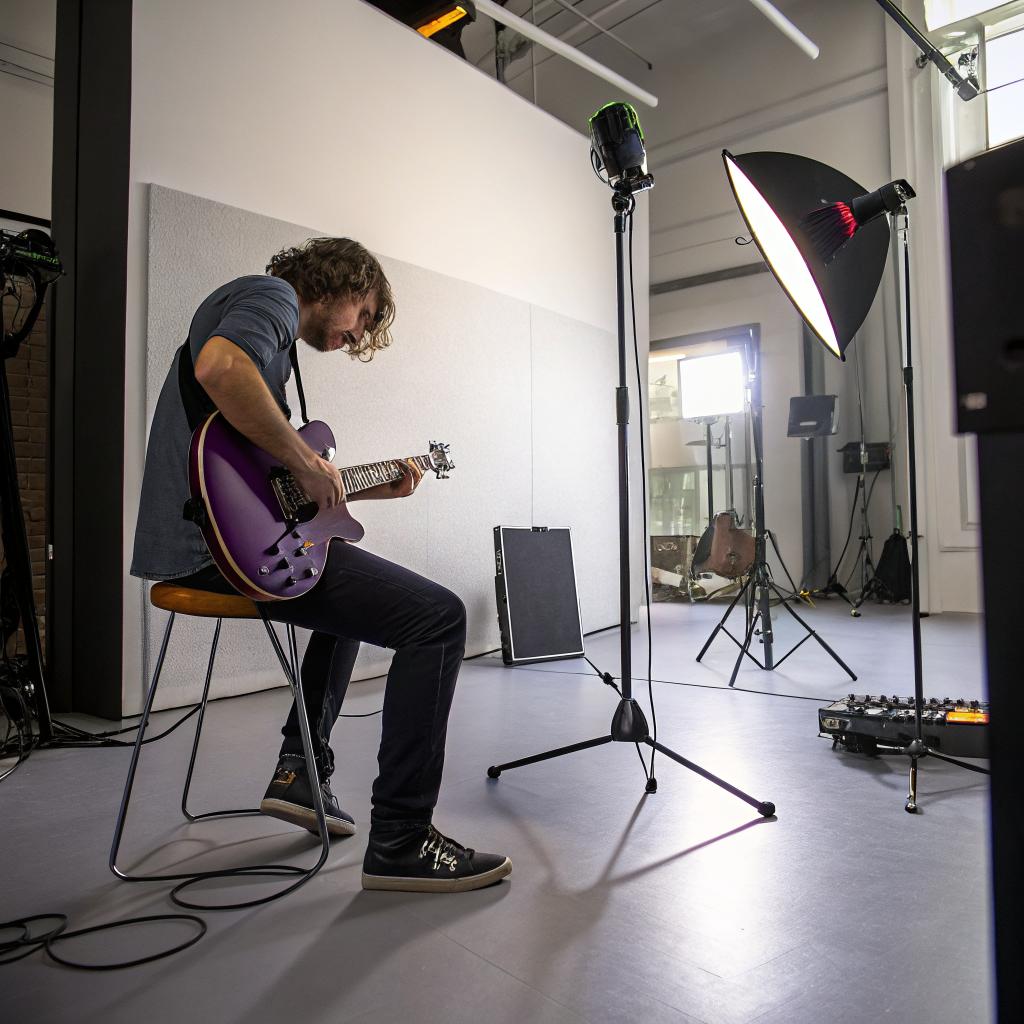
What if I told you the fastest way for music creators to grow is not getting more streams, but getting more feedback?
That is the simple answer. When you give hundreds or thousands of artists fast, focused music feedback, they write better songs, improve faster, release more often, and become easier to back from a business point of view. AI is starting to do that at a scale humans alone cannot handle. It turns feedback into a repeatable growth engine, instead of a random favor from a friend or a rare note from a producer.
Why feedback is the real growth engine for music creators
Let me be direct. Most creators do not fail because they lack talent. They stall because feedback is:
- Slow
- Vague
- Biased
- Too rare to build a habit around
You release a song, you wait, you get a few comments like “nice” or “fire”, and then you guess what to fix. That guessing is expensive. It wastes time, ad spend, and sometimes investor money.
AI flips this.
Instead of waiting weeks for one serious review, a creator can get feedback in minutes, on every draft. Not just “good” or “bad”, but structured thoughts about pitch, rhythm, mix, lyrics, structure, and even release strategy.
The real change is not that AI can rate a song. The real change is that feedback stops being rare and becomes part of the daily creative loop.
From a business view, this matters because habits scale. A serious feedback habit turns a scattered creator into a predictable asset. And predictable people are much easier to fund.
The feedback bottleneck in music
If you look at how feedback usually works for musicians, it is almost anti-growth.
- Friends give polite comments.
- Producers and engineers are busy.
- Mentors focus on a few people they already believe in.
- Online groups are noisy and often shallow.
So each artist gets a tiny sample of real feedback. Maybe one deep review per month, if that.
From a growth and funding angle, this is strange. Investors put money into companies that run experiments quickly. But music projects are often stuck running one creative “experiment” per quarter, with almost no structured data on why it worked or failed.
If you are trying to back creators or build a platform, that is painful. You cannot see clear leading indicators. All you see are lagging numbers:
- Streams after release
- Follows gained or lost
- Refunds on tickets or merch
By the time these show up, you are already sunk or already lucky. Feedback is the missing early signal.
How AI changes the feedback loop
AI is not magic. It just takes patterns from millions of songs and listener reactions, then gives you a structured response. But even that “simple” thing has three business-friendly effects:
- Feedback becomes instant, not occasional.
- Feedback becomes consistent, not random.
- Feedback becomes measurable, not just emotional.
Once you can measure, you can track growth.
You can go from:
“I feel like I am getting better.”
to
“My last 6 drafts showed clear improvement in vocal pitch and lyric clarity, but energy drops in the chorus.”
When feedback is clear and repeatable, improvement looks less like art mystique and more like a training process you can plan and fund.
This is where companies, investors, and platforms who care about growth, funding, and scale should start paying attention.
From hobbyist feedback to a repeatable growth system
Most creators start with one question: “Can someone rate my song?”
From a business view, that question is too small. The better question is:
“Can we turn feedback into a system that grows thousands of creators at the same time?”
Here is how AI feedback tools make that possible in practice.
Turning subjective opinions into structured signals
Human feedback is full of feeling, which is good, but it is also full of noise.
One listener says “your voice is weak.”
Another says “it sounds intimate, I like it.”
Who is right? Maybe both. But that is hard to act on.
AI helps by turning reactions into structured fields, for example:
| Area | What AI can comment on | Why it matters for growth |
|---|---|---|
| Vocal pitch | How often notes are in tune | Predicts live performance quality and training needs |
| Timing | Rhythm accuracy against the beat | Helps decide if the issue is the singer, the producer, or both |
| Lyrics | Clarity, repetition, topic, complexity | Links to listener recall and playlist fit |
| Song structure | Placement of verses, hooks, bridge | Relates to skip rates and short attention spans |
| Mood / genre fit | How well track fits typical genre patterns | Helps targeting for ads and playlist pitches |
Once feedback is broken into parts like this, you can track it over time and across artists. That allows:
- Creators to focus practice where it matters most.
- Managers to see which artists are coachable.
- Investors to spot early momentum before public metrics catch up.
Feedback as daily training, not occasional judgement
Think of how athletes train. They do not wait for one big competition to find out if their form is off. They get constant corrections.
Music creators rarely have that luxury. Studio time is expensive. Topline writers and vocal coaches charge high hourly rates.
AI feedback tools change the unit of cost. You can get dozens of micro-reviews on:
- Raw vocal takes
- Rough mix exports
- Alternative choruses
- Different lyric drafts
That changes behavior. When feedback is cheap and quick, creators:
- Test more ideas.
- Abandon weak ideas earlier.
- Ship finished songs more often.
You can argue this may harm creativity if everyone chases the same “good” score. I think that risk is real in theory, but in practice, most artists are already under pressure to sound like something. At least with clear feedback, the tradeoffs are visible.
The key is not to obey AI scores, but to use them as another mirror. Artists still choose when to ignore the mirror for the sake of something weird or personal.
From a business view, the habit of regular testing and iteration is what matters. That habit supports scale.
From single creators to catalogs and rosters
If you only manage one artist, you might survive with gut feeling. If you handle a roster of 50 or more, pure intuition collapses.
AI feedback systems help in two ways.
First, they give every creator on the roster some base level of review, even when human mentors are busy. Everyone gets a minimum standard of input.
Second, they let managers and labels see patterns:
| Metric | What you might see | Possible response |
|---|---|---|
| Vocal stability scores | Half of your roster struggles with high notes | Book a shared vocal coach or training program |
| Hook strength | Choruses rarely match verses in energy | Pair writers, run hook-only review sessions |
| Genre fit | Several acts drift across styles between tracks | Clarify audience and release strategy for each |
| Iteration speed | Some artists only submit once per quarter | Support those who move faster or adjust expectations |
You move from vague statements like “this artist feels promising” to things like “this artist improved hook scores across three drafts in two weeks.” That is much easier to defend in internal decks or funding pitches.
Monetizing AI feedback: who actually pays for this?
If you care about business, all this talk about feedback still has to pass one test: where is the money?
There are a few clear models already showing up, and some are surprisingly simple.
Direct-to-creator subscriptions
The most obvious one is where creators pay a monthly fee to get:
- Song ratings and comments
- Vocal and lyric suggestions
- Release readiness checks
- Benchmarking against similar artists
For solo artists, the math is easy. If a $10 or $20 monthly spend helps them avoid one bad release, or sharpen two tracks that then earn more, it feels fair.
The challenge is churn. Many creators quit or pause. To keep them, feedback tools need to show visible progress, fast. That usually means:
- Clear scores that move over time
- Simple graphs of improvements
- Practical advice, not vague praise
From an investor view, the question is not “will every artist pay for this”, but “can you keep the serious ones for years”. Those serious users are often the ones who end up building teams, merch, live shows, and larger budgets.
B2B tools for labels, studios, and managers
On the other side, you have companies that manage:
- Large song catalogs
- Writer camps
- Talent scouting programs
- Education courses for singers and producers
AI feedback can sit under these as infrastructure.
Examples:
- A label uses AI to triage thousands of demos, then passes only the top 5 percent to human A&R.
- A vocal academy gives students access to AI voice feedback between their weekly lessons.
- A studio bundle includes AI song review with every production package.
Here, the end user might not even know AI is involved. They just see “included ratings” or “training scores” in their service. The buyer is the organization, not the individual artist.
For business-side readers, this is where growth potential is higher. Instead of chasing one singer at a time, you sell to a company that manages hundreds of them.
Data products built on top of feedback
Once you are collecting structured feedback data at volume, you end up with something bigger than a tool. You start to see patterns across:
- Genres
- Regions
- Age groups
- Release strategies
For example:
- You might notice that tracks with certain lyric patterns see higher AI “clarity” scores and later match human listener surveys.
- Or that in some regions, songs with slower intros still perform well, against global trends.
This opens other products:
- Reports for labels about upcoming style shifts
- Tools that guide ad creatives based on common strengths in a catalog
- Signals to help funds who invest in music catalogs judge long term song value
I am cautious here, because some of this data talk slides into buzzword territory. But if feedback is structured and connected to later outcomes like skips, repeats, and saves, then there is real analytical value.
Risks, tradeoffs, and the creative question
All of this sounds neat on paper. There are still risks, and some of them are not small.
Does AI feedback make all music sound the same?
A common worry is that AI will push creators toward a narrow idea of “good”. Higher score means more standard structure. More standard structure means less surprise and less long term value.
There is some truth here. If tools only reward what looks like past hits, then weird new sounds will look “wrong”.
But human gatekeepers already do this. Radio, playlists, and even mentors have taste shaped by what worked before. In that sense, AI is not new. It just makes the bias measurable.
The smarter approach is to:
- Use AI feedback as one signal, not the final judge.
- Track when artists break the “rules” but still perform well.
- Train models not only on hits, but also on cult or niche success stories.
From a business point of view, you need both:
- Reliable standards for quality
- Room for outliers that look strange at first
AI can help with the first task and, if tuned well, might even help spot the second by flagging songs that score “low” on formula fit but “high” on emotional response from a smaller group.
The bias problem
AI feedback reflects the data it comes from. If the training set underrepresents certain cultures, dialects, genres, or vocal styles, then feedback will be skewed.
That is a technical and ethical issue, but also a cold business risk. You do not want to build a growth product that quietly works worse for half of your potential market.
Handling this is not just about diverse training data. It can also mean:
- Letting users choose their context, for example: “rate this in the context of underground trap” vs “radio pop”.
- Training smaller models for specific scenes instead of one global model for all.
- Publishing limits clearly so no one treats the output as absolute truth.
If you are funding or building in this space, you should be asking teams concrete questions about these things, not just accepting a slide that says “we handle bias.”
Psychological impact on creators
There is also a human side. Constant scoring can be hard on mental health, especially for younger artists.
Some may start chasing green numbers and forget why they made music in the first place. Others may feel crushed by early low scores and quit.
Here, I think human design choices matter more than the tech. For instance:
- Show trends, not just single numbers. “You improved 15 percent over 4 weeks” is more helpful than viewing one bad rating alone.
- Frame results as “strong points” and “areas to grow”, not “pass” or “fail”.
- Offer creative prompts instead of just criticism, like “try a shorter intro” or “record one more take focusing on breath control.”
Good tools can be like a coach, not a judge. The difference is subtle, but it affects retention and long term trust.
How AI feedback changes the funding story
If you handle capital, you care about three basic questions:
- Who is worth backing?
- How much should we invest?
- When should we double down or walk away?
AI feedback does not answer these on its own, but it adds data that was missing before.
Spotting coachable talent earlier
Two singers might start at the same level of skill. One improves fast. The other stays flat.
With consistent AI feedback, you can see this in weeks, not years.
Imagine tracking:
| Metric | Artist A (weeks 1-8) | Artist B (weeks 1-8) |
|---|---|---|
| Pitch accuracy score | 60 → 80 | 62 → 64 |
| Hook strength score | 55 → 78 | 58 → 60 |
| Iteration count (demos per week) | 5 | 1 |
Both might be unknown, with no public streaming record. But one clearly responds to feedback and works often. If you run an incubator or early stage label, that matters a lot when choosing where to spend your time and budget.
Reducing risk on song production costs
Producing a song properly is not cheap. By the time you pay for studio time, mixing, mastering, maybe session players and marketing assets, you can reach serious numbers.
AI feedback can serve as a filter before you pour that money in.
Workflow ideas:
- Have writers submit raw demos. Use AI to rank which ones have the strongest hooks and lyrics before investing in full production.
- Run several versions of a chorus through feedback tools to see which combination of melody and rhythm scores best on engagement signals.
- Check vocal readiness before greenlighting live performance budgets.
Is this perfect? No. Hits will slip through, and flops will still be funded. But even a small boost in “hit rate” can have a large impact on catalog value at scale.
Supporting new types of music funds
Music rights funds already buy catalogs based on historical earnings. Some newer groups are now looking at investing in early stage artists or even songwriters before they have a big record.
To do that wisely, they need leading indicators beyond gut.
Regular AI feedback could feed into:
- Scorecards that mix creative growth with early audience signals.
- Milestone-based funding releases, tied to practice and output, not just vanity metrics.
- Insurance-style products where risk is priced by both creative volatility and improvement speed.
I realize some people may find this cold. Turning art into numbers has that effect. But money is already part of this world. The question is whether we use better tools to decide or keep trusting thin social proof and loud confidence.
What this means for platforms and startups
If you run or plan to run a product in music and tech, AI feedback is less of a feature and more of a backbone.
For education platforms
Online singing and production courses often struggle with one big problem: students drop because they never really know if they are getting better.
Adding structured feedback can:
- Give each lesson a clear before/after check.
- Let teachers monitor dozens of students without listening to every demo.
- Help you sell your course based on measurable outcomes, not vague reviews.
You can show past students’ improvement curves, anonymized, which is more credible than generic praise.
For distribution and marketing platforms
Music distributors and marketing tools focus heavily on release logistics and promotion. Few look seriously at the content quality before release.
If you add AI feedback into upload flows, you can:
- Warn artists when a track has glaring issues that could hurt campaigns.
- Suggest which songs are more ready for paid marketing.
- Offer premium plans that include deeper feedback for teams who want it.
There is a balance here. You do not want to block output or become a gatekeeper. But light-touch feedback before spend can save money and improve trust.
For talent discovery products
Many “rate my song” style platforms exist, where users vote and share opinions. AI can support them by:
- Providing a baseline quality score for new uploads.
- Highlighting tracks that show rapid improvement week to week.
- Helping match creators with mentors based on what they need to grow.
It is easy to see a future where an A&R person checks both human reaction and AI progress charts before signing someone. That blend of human taste and consistent training signals can feel strangely fairer than either alone.
Practical steps if you are building or investing in this space
If you are reading this from the business side and wondering how to act on it, here are some straight suggestions.
Questions to ask AI music feedback startups
When you meet a team in this area, you can probe beyond buzzwords by asking:
- What concrete areas does your AI rate? Can you show me sample feedback?
- How do you track user progress over time, not just one-off scores?
- How do you handle genre and culture differences?
- What human role stays in the loop? Is there any expert review layered on top?
- How many creators actually stick with your product for more than 3 months?
- Can you point to cases where feedback clearly changed an outcome?
You will hear a lot of confident answers. Be a bit skeptical. Ask for real examples, screenshots, before/after clips, retention numbers.
Ways to test value with small experiments
You do not need to bet the farm right away. Instead, try:
- Piloting AI feedback with a small group of your artists and tracking their output volume and quality over 3 to 6 months.
- Running a contest where AI helps filter submissions before human judges step in, then compare both sets of results.
- Adding optional feedback reports as a paid add-on to one of your products and watching uptake.
If nothing improves, or creators ignore the tool, you know to adjust or walk away. If you see higher output, better retention, and clearer progress, you have a case for deeper action.
Thinking about ethics without making it a PR show
You do not need a giant ethics board, but you do need real boundaries. For example:
- Do not let AI feedback be the only voice. Combine it with real mentors, peers, and live audience tests where possible.
- Avoid claiming your model can “predict hits” with high accuracy. It cannot, and that language will erode trust quickly.
- Give creators control over their data and feedback history, so they can take it with them if they move to another platform.
These choices make the product more honest and, honestly, easier to sell to a growing class of creators who have seen overpromises before.
Q & A: Common questions about AI music feedback and growth
Q: Will AI feedback replace human producers and coaches?
A: No. It will probably replace silence. Most creators get no real feedback at all between rare studio sessions. AI fills those gaps and makes human time more focused. Producers can skip the basic corrections and spend their energy on taste and creative direction.
Q: Can an AI really “rate my singing” fairly?
A: It can rate certain objective things fairly well, like pitch, timing, and consistency. It is weaker on style, emotion, and cultural nuance. So its judgement is partial. The right way to use it is as a technical mirror, not as the final word on whether your voice is “good” or “bad.”
Q: Is this only useful for beginners?
A: Not really. Beginners get the most obvious gains, but mid-level and advanced artists can still benefit. For them, small technical gains can unlock bigger career steps, like tighter live shows or more record-ready demos that impress collaborators.
Q: How does this help investors in practice, beyond cool dashboards?
A: It shortens feedback cycles. Instead of waiting months for public results, you see internal growth signs in weeks. That can guide who gets more support, which songs receive larger budgets, and when to exit partnerships that are not moving.
Q: Could this make music more boring by pushing everyone toward safe choices?
A: It might, if people treat scores as laws. The healthier approach is to use AI feedback to meet some basic standards, then deliberately bend or break them. Skeptical, creative use of tools usually wins over blind obedience. The same will be true here.